

GEORGE NEWS - South African women and girls may be using menstrual products containing chemicals that could interfere with their hormone systems, prompting urgent calls for action consumer advocates.
A new study from the University of the Free State (UFS) has found that widely used sanitary pads and panty liners sold locally contain endocrine-disrupting chemicals (EDCs) - substances that can mimic or block hormones in the body and have been linked to reproductive issues, fertility problems, and certain cancers.
Researchers tested multiple brands commonly available in South African shops and found that every product contained at least two EDCs, including phthalates, bisphenols and parabens.
The chemicals were detected in both sanitary pads and panty liners, with bisphenols found in 100% of pads tested and phthalates in all panty liners, underscoring a widespread contamination risk. Although the study did not conclude that these products are immediately dangerous, it raised concerns about long-term exposure, especially since menstrual products come into contact with sensitive tissues for several days each month over many years.
In response, Democratic Alliance Member of Parliament Angel Khanyile has described the findings as both a consumer protection issue and a serious public health concern, and has called on the National Consumer Commission (NCC) to urgently investigate whether menstrual products comply with South Africa’s safety standards.
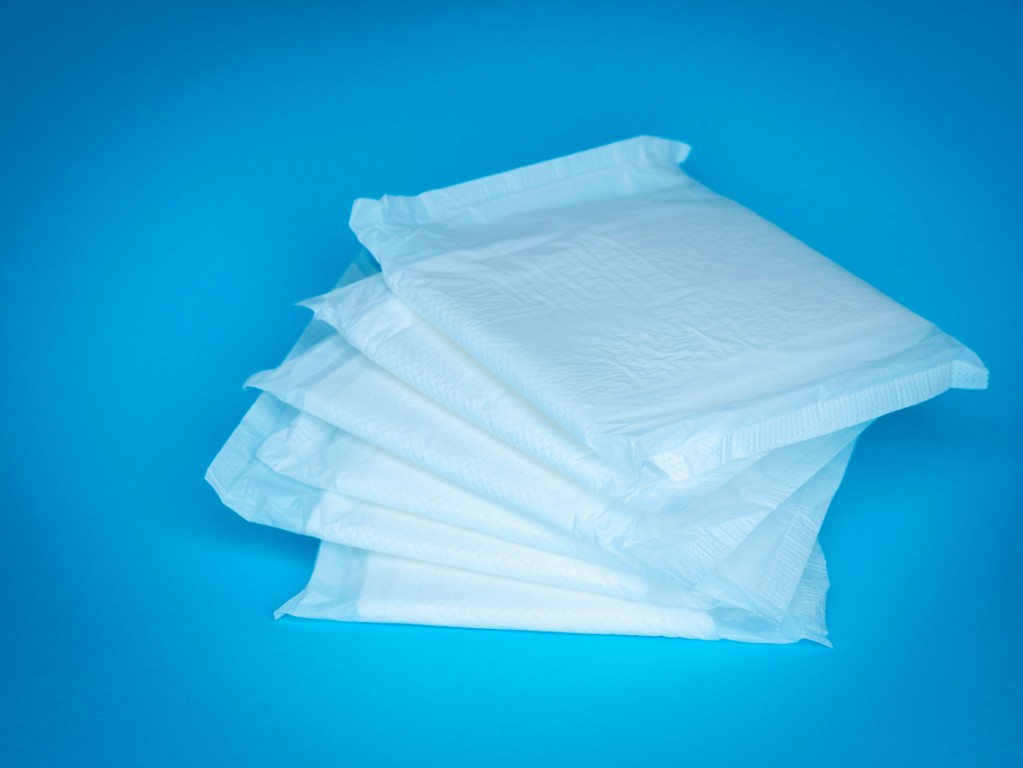 Sanitary pad - for illustration purposes only. Photo: Unsplash
The NCC, established under the Consumer Protection Act, is empowered to investigate products that may pose safety hazards and can enforce recalls or take compliance action against suppliers.
Activists and experts are also highlighting gaps in regulation and transparency:
South Africa currently does not require full disclosure of all chemicals in menstrual products, meaning consumers cannot easily compare ingredient safety when making purchases.
Experts argue that updated standards, independent product testing, and clear ingredient labelling are essential to protect women’s health and enable informed choices.
The issue has drawn wider public attention, with petitions calling for the recall of potentially harmful products and demanding accountability from manufacturers. These campaigns reflect growing concern that everyday products considered essential may not be as safe as assumed, especially given potential cumulative exposure over decades of use.
As calls for action intensify, consumer advocates are urging not just investigation, but comprehensive regulatory reform to ensure menstrual products meet stringent safety standards, not only in South Africa but globally.
Sources:
‘We bring you the latest Garden Route, Hessequa, Karoo news’