

GEORGE NEWS - "I did not run this race. I survived it."
These were the words of Cllr Sean Snyman (62) after completing the 25km MUT Challenge on Sunday 31 May.
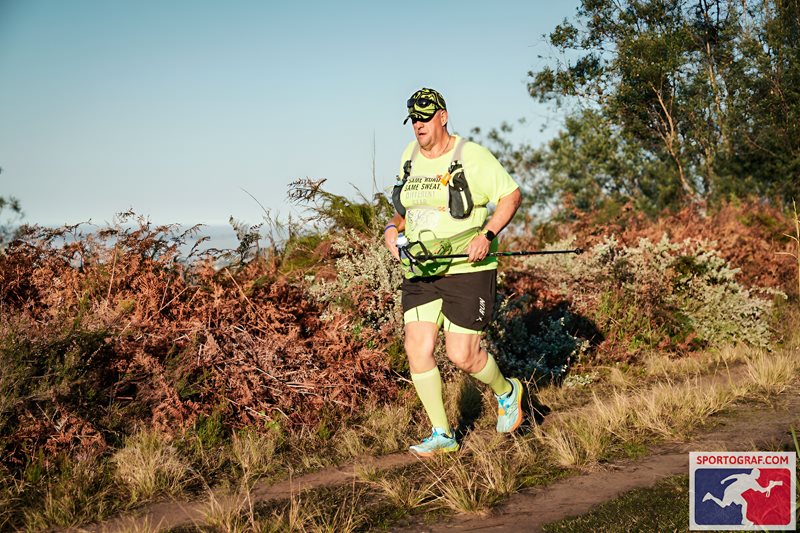
Snyman was one of 536 athletes who took on the 25km mountain trail, and although he may not have made the cut-off, he finished his race regardless.
But for him it wasn't about winning or making the podium or even the top 10. It was about testing limits and proving there is no reason you cannot.
It is about perseverance, human kindness and small moments of support that can carry you through even when you are close to giving up, particularly as an athlete with a disability who only started running seriously just two years ago.
Snyman only has the use of one arm after a bad bike accident several years ago. It is something he has got used to in his daily life, but out in the mountains, it's a different ball game.
Quitting is not an option
Snyman reflects on the moments on the mountain where he came very close to bailing.
"I am telling you this not because I am proud of nearly quitting, but because I think the nearly quitting is actually the most important part of the story. The first 16km lied to me."
He admits that he had felt good at one point and even thought he could make it under the six-hour cut-off.
But what followed between 16km and 19km was not a gradual decline. It was a wall.
"The cramps arrived, then the altitude reminded me exactly where I was. At close to 800m above sea level, your lungs start having a very different conversation with your legs."
One-handed battle
"Every technical section of this course requires what most runners take completely for granted. Two hands," says Snyman.
His left arm carried the stick the entire way, and his balance on the technical terrain was constantly compromised.
At 19km, Snyman was really battling fatigue, constant cramping and pain.
"I sat down and had a serious conversation with myself about whether 19km was, in fact, enough for a man my age with my limitations. And I looked up for the first time.
"I had been staring at the ground for most of the race, watching my feet, managing every step with the concentration of someone who genuinely cannot afford to fall. So when I finally lifted my eyes at that rocky ledge near the top, what I saw stopped me completely.
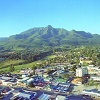
"The entire greater George valley stretched out below me, all the way to the sea. Greens and blues and a silence that only exists that high up. It was, without question, the most breathtaking view I have ever seen in this town I call home."
Help has arrived
Then he heard footsteps behind him. It was a fellow athlete, a stranger, who slowed down and checked in on him.
"She just looked ahead and said, 'We are almost at the top. Let us push on. We can do it.'And then she started walking."
At 23km, Snyman says he took out his phone and looked at the SOS button. "I looked at it for longer than I'd like to admit. The cramps returned. My arm was beyond tired. My mind was already composing the explanation I would give people afterwards."
Then the sweeper arrived
"She came to me with a warmth you cannot manufacture and suggested, in the most disarming way possible, that perhaps I should at least reach the next water point before making any final decisions."
Snyman made it to the next water point. And then a little further, with the sweeper every step beside him - until the finish.
Snyman crossed the finish line. Not fast, not gracefully, but he crossed it.
 Athletes grind their way through a technical section during one of the races at this year’s MUT. Photo: MUT by UTMB
One arm, one mountain, one stubborn old man
The start line of a 25km mountain ultra trail has a particular kind of energy. Nervous laughter.
The smell of Deep Heat and quiet prayer. Legs that bounce without permission.
And somewhere in that crowd on Sunday morning stood a 62-year-old man with one working arm, a walking stick, and what can only be described as a healthy dose of naivety about what lay ahead.
That man was me.
I want to be honest with you from the outset. I did not run this race. I survived it, one grinding, painful, humbling kilometre at a time. And there were two moments on that mountain where I came very close to not finishing at all.
I am telling you this not because I am proud of nearly quitting, but because I think the nearly quitting is actually the most important part of the story.
The first 16 kilometres lied to me.
I felt good. Well, good enough. I was moving at a pace that allowed a small, unwise voice in the back of my head to start doing hopeful mathematics. At this rate, maybe I finish comfortably under the six-hour cut-off. Maybe this is manageable after all.
Mountains have a particular sense of humour. They wait until you think that.
What followed between kilometre 16 and kilometre 19 was not a gradual decline. It was a wall. The cramps arrived first — the kind that don't ask permission and don't respond to negotiation. Then the altitude reminded me exactly where I was. At close to 800 metres above sea level, your lungs start having a very different conversation with your legs than the one you planned before breakfast.
And then there is the matter of having only one arm, something I have lived with long enough to stop thinking about in daily life, but which a mountain has a way of bringing sharply back into focus. Every technical section of this course requires what most runners take completely for granted. Two hands. Two points of contact.
The ability to grab a rock face on your left when your right foot slips. The option to switch your pole from one hand to the other when your shoulder starts burning. I had none of that.
My left arm carried the stick the entire way. My balance on the technical terrain was compromised before I even started, and my body was working considerably harder than the person beside me just to stay upright
By kilometre 19, my left arm had had quite enough of the whole arrangement. And honestly, so had I
I sat down on a rock and I looked up for the first time.
I had been staring at the ground for most of the race, watching my feet, managing every step with the concentration of someone who genuinely cannot afford to fall. So when I finally lifted my eyes at that rocky ledge near the top, what I saw stopped me completely.
The entire greater George valley stretched out below me, all the way to the sea. Greens and blues and a silence that only exists that high up. It was, without question, the most breathtaking view I have ever seen in this town I call home.
And my brain, being the complicated thing that it is, immediately whispered: This is a perfect place to stop.
The cramps were real. The pain was real. The noise in my head was loud and persuasive and making a very reasonable argument. I sat on that rock and I had a genuinely serious conversation with myself about whether 19 kilometres was, in fact, enough for a man my age with my limitations.
Then I heard footsteps behind me.
She was roughly half my age and her knees were hurting too.
I could see it in the way she moved — that particular grimace that trail runners learn to wear. She slowed when she reached me and asked simply whether I was okay.
I said: not really.
She didn't offer sympathy or tell me it was fine to quit. She just looked ahead and said, we are almost at the top. Let us push on. We can do it.
And then she started walking.
I don't know her name. I don't know where she finished or whether her knees held out. What I know is that in that moment, a young woman fighting her own private battle chose to pull a stranger along with her rather than leave him on a rock. I got up. I kept going. Not because I suddenly felt strong, but because it would have been a little embarrassing not to.
Kilometre 23 was where I nearly called for help.
I am not embarrassed to tell you that I took my phone out and looked at the SOS button. I looked at it for longer than I'd like to admit. The cramps had returned. My arm was beyond tired. My mind was already composing the explanation I would give people afterwards.
Then the sweeper arrived.
Sweepers are the quiet grace of trail running, volunteers who follow the field and witness every broken runner, every private struggle, every moment where someone is one bad minute from giving up. She came alongside me with a warmth you cannot manufacture and suggested, in the most disarming way possible, that perhaps I should at least reach the next water point before making any final decisions.
It sounds simple. But that one small reframe changed everything.
So I went to the water point. And then a little further. And she walked every last step of it beside me, not because she had to, but because that is the kind of person she was.
At the finish I gave her my Ubuntu bangle. It was the only thing I had worth giving. Ubuntu, "I am because you are". Because truthfully, on that mountain in those final kilometres, I was still moving because she was.
I crossed the finish line.
Not fast. Not gracefully. But I crossed it.
A 62-year-old man with one arm, on one of the tougher mountain trail courses this region offers. I won't pretend that doesn't mean something to me, because it does. Not in a chest-beating way, but in the quiet way that a hard thing means something when you genuinely weren't sure you were going to make it.
What I didn't expect was what the mountain would give back. A young stranger who refused to leave me behind. A sweeper whose kindness was a form of courage. And a view of home so beautiful it almost, almost, made the cramps worth it.
Trail running has a way of reducing you to exactly who you are. No pretence survives above 700 metres. What I found out about myself yesterday is that I am someone who nearly quit twice and didn't. I'll take that.
At 62, with one arm and a walking stick, I'll absolutely take that. Sean Snyman completed the 25km Mountain Ultra Trail on 31 May 2026. - Sean Snyman
‘We bring you the latest Garden Route, Hessequa, Karoo news’