

MOTORING NEWS - Following VW South Africa’s recent announcement regarding the recall of certain Polo Vivo models, the Motor Industry Staff Association (Misa) has expressed its deep concern about the sharp increase in vehicle recalls in recent years.
“While we understand the complex factors driving these recalls, we cannot ignore the impact they have on consumer confidence and, importantly, on the credibility of dealerships and sales executives,” says Martlé Keyter, CEO of Operations at Misa.
“These workers, who are at the frontline of customer engagement, bear the brunt of consumer frustration despite having no control over the manufacturing processes or the components that lead to recalls.”
She says it is important to provide consumers with perspective.
Modern vehicles are essentially computers on wheels, equipped with advanced diagnostics powered by technology and artificial intelligence.
These systems are designed to identify faults early, often before they pose a risk to motorists.
Keyter says a repetitive error code will trigger a recall to ensure the issue is corrected. “While recalls may be inconvenient, they are a reflection of the principle that prevention is better than cure. In fact, they demonstrate South Africa’s commitment to prioritising the safety of motorists and their passengers,” she says.
Misa emphasises that recalls should not be seen as failures of dealerships or sales executives, but rather as part of a global automotive safety culture. “Our members work tirelessly to support customers during these processes, often under difficult circumstances.
"Misa calls on manufacturers to strengthen communication and transparency with both consumers and workers, ensuring that the burden of recalls does not unfairly fall on those who sell and service vehicles.”
Fuel price hike concerns
Misa is also deeply concerned about the possibility of another fuel price increase as a result of the conflict in Iran.
"As the largest union in the motor industry, we know that higher fuel costs are always passed directly onto consumers and workers, driving up the overall cost of living," says Keyter.
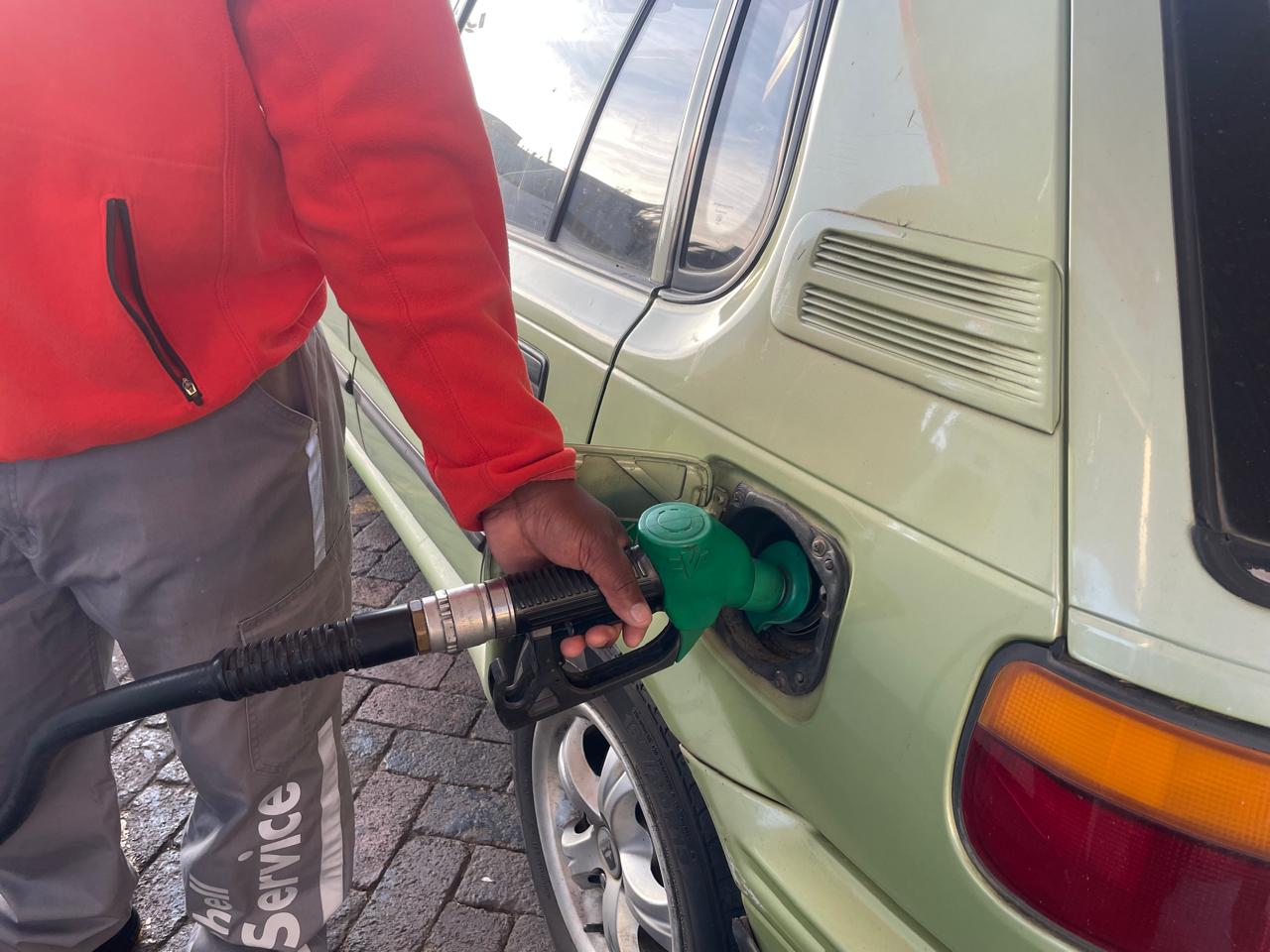 With the the price of a barrel of oil going up every day, another fuel price hike is very possible.
"Transport remains one of the biggest monthly expenses for workers and any increase in fuel prices pushes households further into financial hardship."
Misa has consistently raised concerns about Government’s failure to review the country’s fuel pricing methodology, despite promises made in previous budgets.
Keyter says without a transparent and credible system, workers and consumers are left vulnerable to repeated increases with little accountability.
"The lack of reform means that every increase compounds the challenges faced by ordinary South Africans, who are already struggling with high unemployment, rising food prices and the daily costs of transport."
Fuel price increases also have a direct impact on the competitiveness of the motor industry.
"Dealerships and workshops rely on affordable transport to deliver services, parts and vehicles. When fuel costs rise, these businesses face higher operating expenses, which can lead to reduced profitability and threaten jobs."
Keyter says Misa believes that protecting workers must be a priority in any discussion about fuel pricing.
“Workers already spend a disproportionate share of their income on public transport. Each fuel price increase erodes their ability to provide for their families and undermines their quality of life.
Keyter urges Government to prioritise affordability and transparency in fuel pricing and to ensure that workers are not left to shoulder the consequences of policy failures.
‘We bring you the latest Garden Route, Hessequa, Karoo news’