


LIFESTYLE NEWS - Psychiatric services in South Africa are under severe pressure, and George is not spared the consequences of inadequate mental healthcare.
So said Alani Voigt, head of the Tuiniqua Care Centre. She was responding to a complaint from Dr Adèle van Wyk, a local social worker, about how challenging it is to provide psychiatric care to senior citizens when no psychiatrists are available for home visits.
Van Wyk shared her frustration with George Herald. She says evaluation in the patient's home environment is essential to obtain a realistic picture of functioning and behaviour, and to design better treatment programmes. She tried contacting several psychiatrists to visit two patients in two retirement homes, without success.
The result in such cases is that a well-managed retirement home often finds itself in the position in which it must ask the families of residents to find alternative care for the sake of the well-being of the other residents and staff. "The latter often suffer because of outbursts from 'difficult' residents who, in my opinion, may potentially be living with some form of dementia or untreated psychiatric condition. With all the retired people in George and all the retirement homes here, it is difficult to understand why this service is not available."
Voigt says Tuiniqua faces the same challenges. Residents with medical aid must be referred by a doctor to the Mediclinic George's Neuro Clinic for evaluation.
"As for state patients, we are at least fortunate to have a state doctor who visits the centre every two weeks. He will make a referral to a psychiatric nurse at a clinic for a screening evaluation and possible further referral to psychiatric services. It is a demanding process for an elderly person whose mental state is already fragile."
Voigt says there is also insufficient accommodation for psychiatric cases, and that they cannot be accommodated in a general care centre.
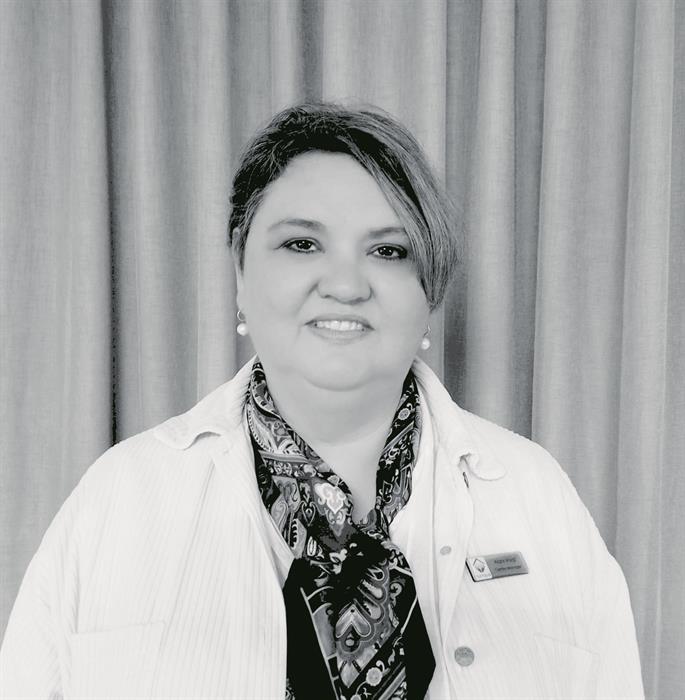 Alani Voigt
Sad example
A sad example of someone urgently needing help was recently highlighted by a concerned resident, Marga Coetsee, on Facebook. She posted about an elderly man whom she has seen on several occasions wandering aimlessly through the streets, barely able to walk.
She painted a heartbreaking picture: "This morning he is shuffling around a piece of cardboard in the rain."
After she contacted the police, he was admitted to hospital for evaluation, but the next day she saw him back on the street.
Jessica Jay Human responded that the man apparently has dementia and does not want to be around his family in Blanco. He also keeps leaving places that try to help him.
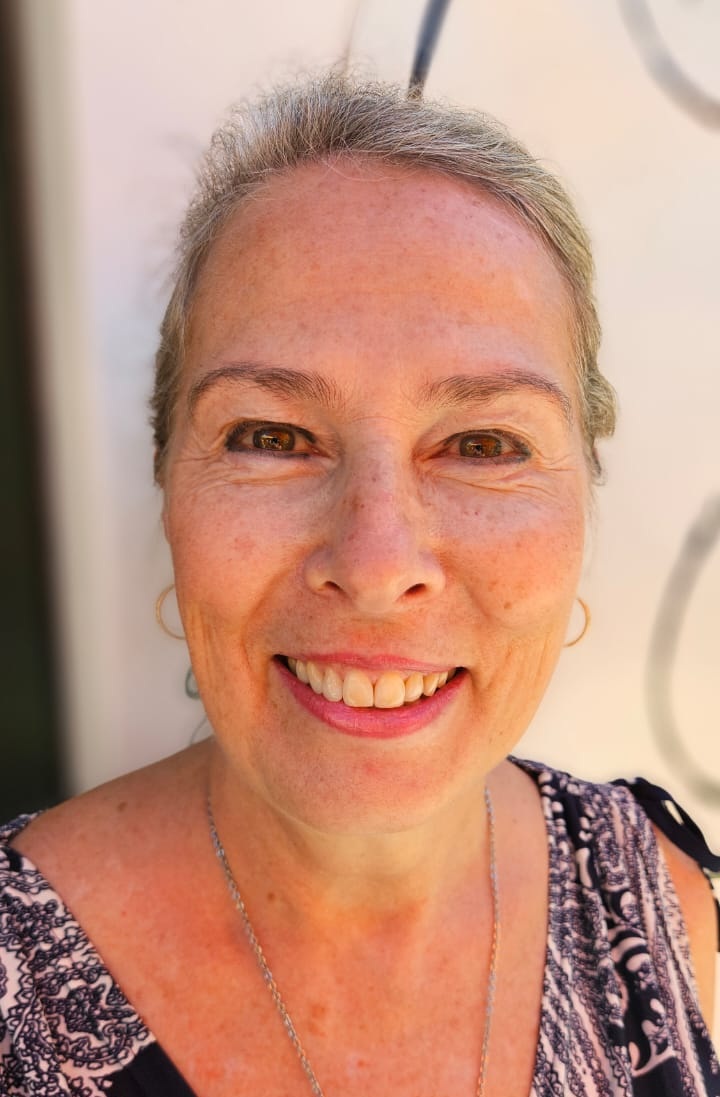 Dr Adèle van Wyk
'Psychiatrists overloaded'
A source in the psychiatric sector in George, who wishes to remain anonymous, says private psychiatrists are overloaded with patient numbers.
"There are about eight psychiatrists in George, and each of our surrounding towns has only one or two. Patients from the other towns who need to be hospitalised are admitted in George at Akeso or the Neuro Clinic. They must then be treated by a local psychiatrist until they are discharged."
Existing patients are given priority when appointments are scheduled, meaning that people coming for a first consultation may wait months or even a year. "There are simply not enough hours in the day to fit in more patients. It is a sad situation, because there are often people who urgently need help immediately."
In an emergency, a private patient can be taken to the emergency centre at Mediclinic, from where they can receive a referral to the Neuro Clinic.
Mental health services stretched thin across South Africa
Prof Renata Schoeman, a prominent psychiatrist from Bellville and the head of Healthcare Leadership at the Stellenbosch Business School, says only 5% of the national healthcare budget is allocated to state mental health services.
She is quoted in an article on the Stellenbosch University's website, saying that on average, there are only 0.31 psychiatrists per 100 000 people in the state sector, with an unequal distribution between rural and urban areas.
Some predominantly rural provinces have only 0.08 psychiatrists per 100 000 people.
According to the World Health Organisation, their minimum guideline is one psychiatrist per 100 000 people.
Schoeman says approximately 50% of state hospitals that provide psychiatric care have no psychiatrist at all - even though a third of South Africans experience a mental health condition.
"Shortages of mental health workers, a lack of experienced practitioners, as well as insufficient resources to follow up and ensure compliance with treatment, all contribute to a persistent treatment gap," she says.
The cause of the situation is not only a shortage of funding, but also how the funds are used. "Corruption, mismanagement and inefficiencies are bleeding the system dry. South Africa spends 8-9% of its GDP on health, which is high by global standards, yet our system remains inefficient and underperforming."
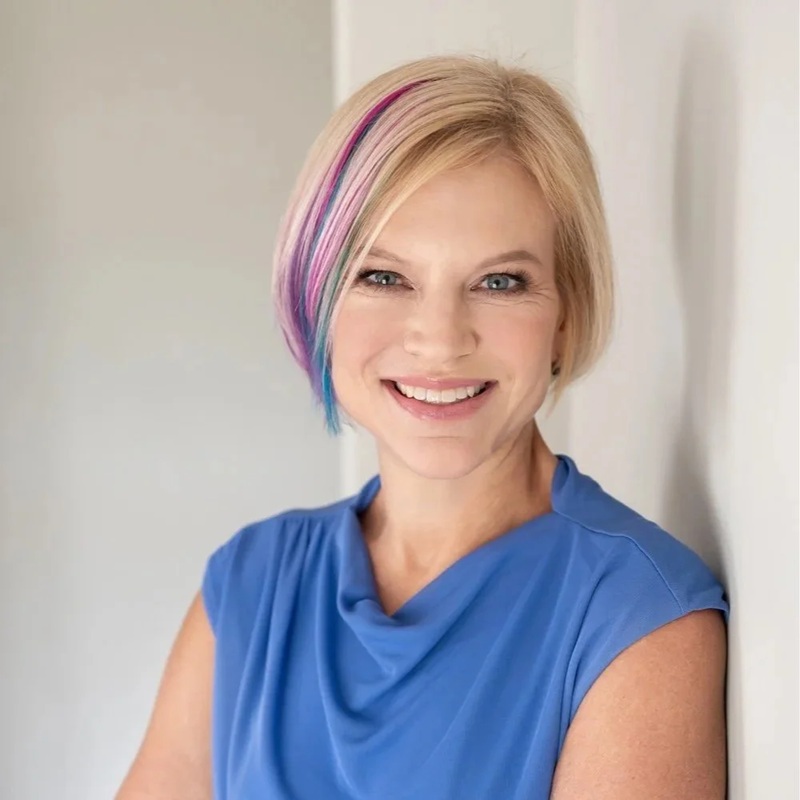 Prof Renata Schoeman
The South African Society of Psychiatrists (Sasop) says due to these shortages, it is no longer possible to rely solely on one-on-one consultations between psychiatrists and patients. Mental health expertise needs to extend to general practitioners, nurses, social workers and psychologists to improve access to care.
Services in the Eden District
Nadia Ferreira, the Eden and Central Karoo's district spokesperson for the Western Cape Department of Health and Wellness, said patients making use of psychological and psychiatric services are handled strictly according to a referral system.
"Each referral is prioritised according to severity and risk. Emergency appointments are usually available within a week, and the waiting time for lower-risk patients is usually between one and three months.
"The public healthcare system does not provide home visits by psychiatrists or psychologists, and all patients are first seen at their nearest clinic before being referred."
Causes
According to the World Health Organisation, mental health problems among older people can arise from factors such as:
• Declining physical health
• Dementia and Alzheimer's disease
• Social isolation and loneliness
• Loss of independence and adjustment to
care environments
• Abuse or neglect
• When a spouse needs care, the responsibilities can become overwhelming and affect the caregiver's mental health.
‘We bring you the latest Garden Route, Hessequa, Karoo news’