


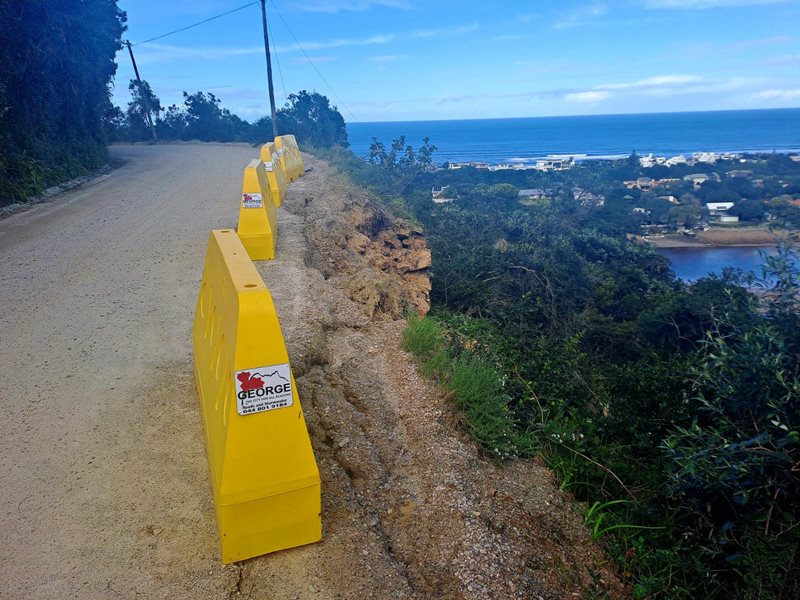
ENVIRONMENT NEWS - Figures released recently by the Western Cape Government show that the damage to the region following the recent extreme weather events is already running into billions of rand.
Roads damaged by stormwater will take months to repair, while several communities continue to experience disruptions to power and water supply.
It is often only in the weeks following a disaster that the true extent and cost of the damage emerge.
Engineers assessing damaged roads and infrastructure frequently discover underlying structural failures that must first be addressed, delaying repairs and significantly increasing costs.
Authorities and disaster management agencies have once again demonstrated exceptional commitment in responding to emergencies, clearing fallen trees, reopening roads and restoring essential services.
However, the recent events raise an important question: How do communities and authorities adapt to a future where severe weather increasingly inflicts substantial damage on both natural and built infrastructure upon which thousands of residents depend?
Reflecting on the aftermath of disasters is critical if lessons are to be learned. Understanding what worked, identifying vulnerabilities and improving preparedness can help build resilience in the face of a changing climate.
The Garden Route Environmental Forum and its partners, in collaboration with Nelson Mandela University (NMU), will host the Garden Route Extreme Weather Reflection Summit on 2 July.
A panel of experts in climate science, environmental management and disaster management will analyse recent events and collectively explore practical ways forward for the region.
Interested and affected parties wishing to attend the summit may RSVP via email to Louisa Mare.
The Garden Route Environmental Forum is a public platform for environmental practitioners and a climate change think tank.
‘We bring you the latest Garden Route, Hessequa, Karoo news’