

COLUMN - On Wednesday evening, the US Federal Reserve raised interest rates by 0.25%, its first increase since 2023. The main reason is that inflation remains too high, with the jump in oil and fuel prices since the war with Iran began adding renewed pressure.
If this feels familiar, it should. We have only just come out of a similar story.
During Covid, central banks around the world cut interest rates to support households and businesses. In the US, rates went to almost zero. In South Africa, the repo rate fell to a record low of 3.5%.
It worked. Perhaps too well.
As economies reopened, spending surged while supply chains were still broken. Inflation took off, peaking above 9% in the US and at almost 8% here in 2022. Central banks responded with the fastest rate hikes in decades. By 2023, US rates were above 5% and our repo rate had reached 8.25%.
Many of us felt it in our home loan repayments.
Eventually, that worked too. Inflation came down, and in September 2024 both the US and South Africa started cutting rates. It felt as though the worst was behind us.
From rate cuts to renewed inflation pressure
Now the story has taken a new turn. Oil feeds into almost everything: petrol, transport, food and the cost of moving goods around the economy. When it jumps, inflation follows.
South Africa faces the same underlying risk. Our inflation rose to 5% in June before easing to 4.3% in July. The Reserve Bank already raised rates in May, and it meets again next Wednesday. Another hike is a real possibility.
There is another, less obvious, implication for South African investors.
South Africa now targets inflation of 3%, while the US targets 2%. That gap is much smaller than we have been used to.
For years, our higher inflation was one of the reasons the rand weakened over time, from around R6 to the dollar in 2000 to over R16 today. That gave offshore investments an extra boost when converted back into rands.
Why the inflation gap matters for the rand
If our inflation is only around 1% higher than US inflation, there is less pressure for the rand to weaken simply to make up for the difference in prices. That currency tailwind may be smaller in future.
That does not make offshore investing less important. We still invest offshore for diversification, access to global companies and protection from South Africa-specific risks. But offshore returns may increasingly need to stand on their own, rather than relying on the rand to do part of the work.
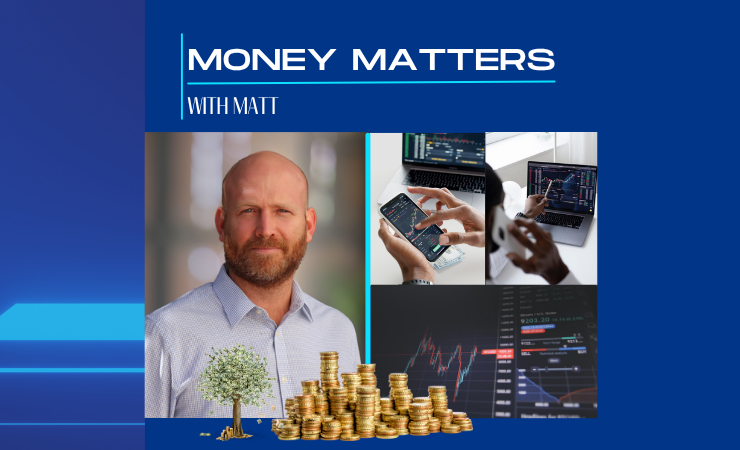
Matthew Matthee has a wealth management business that specialises in retirement planning and investments. He writes about financial markets, investments, and investor psychology. He holds a Masters Degree in Economics from Stellenbosch University and a Post Graduate Diploma in Financial Planning from UFS. He is a partner at PSG Wealth. [email protected]
‘We bring you the latest Garden Route, Hessequa, Karoo news’