

BUSINESS NEWS - July presents many South Africans with two financial realities at the same time.
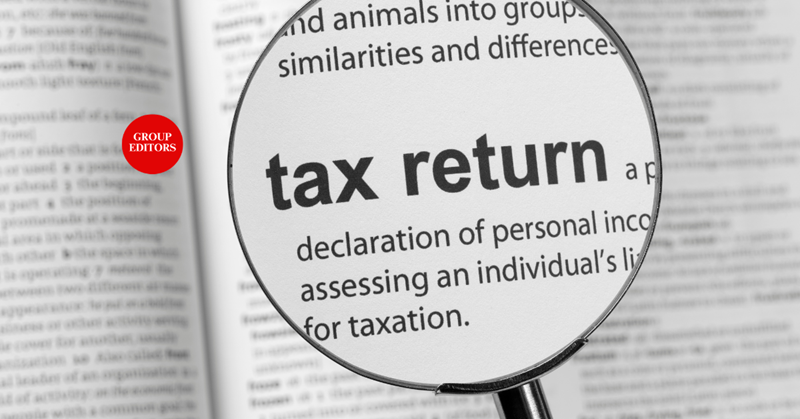
It is National Savings Month, often accompanied by advice to spend less, and it is also tax season, when some taxpayers receiving Sars auto-assessments may qualify for a refund.
For households already juggling rising fuel prices, grocery bills, school expenses, loan repayments and insurance premiums, there is often little left to cut from the monthly budget.
Craig Whittaker, Chief Operating Officer at digital financial services provider Finchoice, believes Savings Month should focus not only on reducing spending but also on improving financial stability.
"For those fortunate enough to receive a tax refund at this time of year, it's easy to start mentally spending the money before it arrives," says Whittaker. "While there's nothing wrong with treating yourself, consider setting aside a portion for savings or using it to reduce high-interest debt before anything else."
Treat your tax refund as an opportunity, not a windfall. Rather than viewing a Sars tax refund as extra spending money, Whittaker encourages consumers to use it as an opportunity to review whether their financial plan still reflects their current circumstances. He recommends starting with three practical questions.
Where will this money make the biggest long-term difference?
Where will this money make the biggest long-term difference?
If you have high-interest debt, using part of your refund to reduce the balance on a personal loan can lower the amount you owe and decrease the overall cost of borrowing. Although depositing the money into a credit card account may seem like a sensible option, those funds are often spent again over time.
Paying down debt directly is more likely to provide lasting financial relief.
Have your financial responsibilities changed?
Have your financial responsibilities changed?
Life changes quickly, and your financial priorities should change with it. A new child, supporting an ageing parent, increased rental costs or insurance policies that no longer reflect your household's needs can all affect what requires financial protection.
Taking time to review these responsibilities ensures your money is aligned with your current circumstances rather than outdated assumptions.
What major expense is coming next?
Looking ahead can be just as valuable as paying off existing debt. Whether it's school fees, annual insurance premiums, vehicle maintenance or the festive season, setting aside part of your tax refund for known future expenses can help avoid unnecessary financial pressure later in the year.
Small financial decisions can have a lasting impact "Catching up doesn't always require one major financial decision," says Whittaker. "Sometimes it starts with understanding what's due, what's changed and where a small adjustment can make the biggest difference over the coming months."
Digital financial tools can also make it easier to stay in control by providing clear visibility of account balances, repayment dates, insurance policies and available financial options.
Savings Month is about building financial control According to Whittaker, National Savings Month should not leave consumers feeling guilty because the cost of living has increased.
"Instead, it should remind people that financial control often comes from having better visibility, making timely decisions and taking small, practical steps before financial pressure begins to build."
For many South Africans, a tax refund is more than extra money. Used wisely, it can become an opportunity to reduce debt, prepare for future expenses and strengthen long-term financial resilience.
‘We bring you the latest Garden Route, Hessequa, Karoo news’