

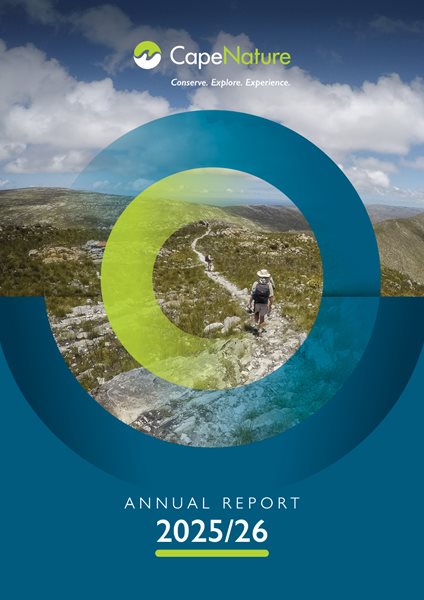
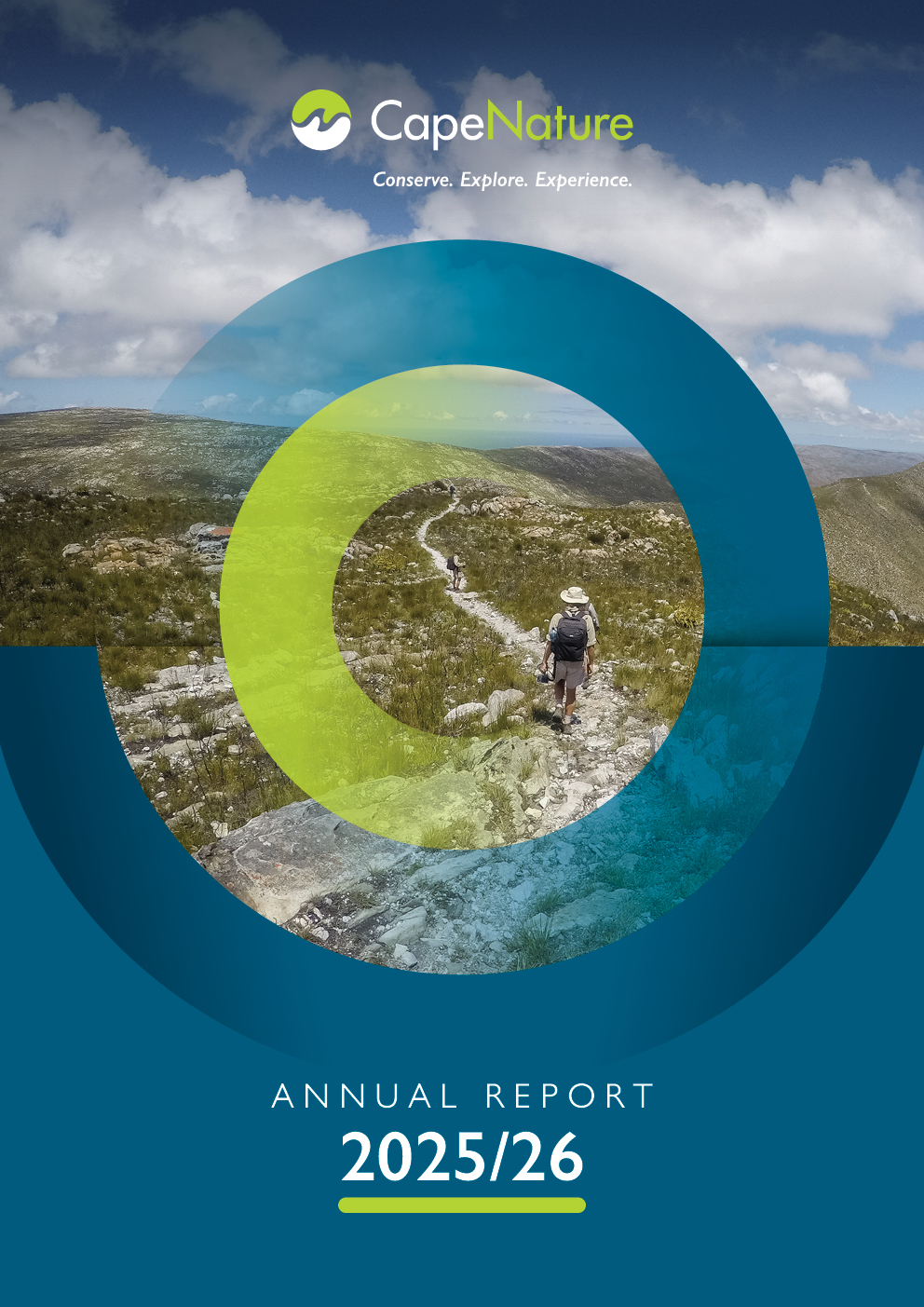
ENVIRONMENTAL NEWS - CapeNature has added 44 231 hectares to the Western Cape’s conservation estate and recorded its 10th consecutive clean audit, according to its 2025/26 Annual Report.
The additions to the conservation estate far exceeded the target of 5 000 hectares and were achieved largely through the expansion of the Knersvlakte Nature Reserve, as well as 16 new biodiversity stewardship agreements with private landowners.
The report covers the first year of CapeNature’s 2025–2030 strategic plan. The entity achieved all its performance targets, including seven new performance indicators introduced in the previous year.
Western Cape Minister of Local Government, Environmental Affairs and Development Planning, Anton Bredell, said the sustained clean audit record reflected CapeNature’s commitment to good governance.
“It is a collective effort and is based on adherence to the basic financial and supply chain disciplines and ensuring that regular controls and processes are in place and working effectively,” said Bredell.
He said the clean audit showed that public funds were being managed appropriately, while the expansion of protected areas also created employment opportunities in neighbouring communities.
CapeNature manages 872 384 hectares across 31 protected area complexes, stretching from the Knersvlakte and Cederberg in the west to the Swartberg and Outeniqua mountains in the south and east.
The expansion supports biodiversity conservation and the protection of strategic water source areas. These mountain catchments play an important role in supplying water to towns and cities across the province.
During the year, CapeNature cleared 23 309 hectares of invasive alien plants and maintained 205 firebreaks. Both activities help protect water resources and reduce wildfire risks.
Said acting CEO Mbulelo Jacobs, "Clearing invasive alien plants and maintaining firebreaks in our mountain catchments protects the water supply for towns and cities well beyond our reserve boundaries, and it is work that puts people from neighbouring communities into jobs, on the ground."
Management effectiveness assessments rated 99,7% of CapeNature’s protected area estate as effectively managed.
The entity also created 543 Expanded Public Works Programme opportunities in communities bordering protected areas, as well as 2 647 opportunities through services procured from 73 small, micro and medium enterprises.
The reporting year also yielded scientific discoveries. Researchers confirmed a new distribution record for the rare slender redfin freshwater fish in the upper Doring River. Long-term monitoring also uncovered more than 50 tadpoles of a previously undescribed Capensibufo toad species.
CapeNature’s work relies on scientific research, an understanding of fynbos ecology and integrated biodiversity management and planning. Although much of this work takes place in remote areas away from public view, it plays an important role in conserving the province’s natural heritage and protecting resources on which communities depend.
The 2025/26 Annual Report is available here.
 CapeNature is a public institution responsible for promoting and ensuring biodiversity conservation in the Western Cape. As custodian of the Cape Floristic Region, it manages protected areas and mountain catchments that provide essential ecosystem services, including water supply, to millions of people across the province.
‘We bring you the latest Garden Route, Hessequa, Karoo news’