


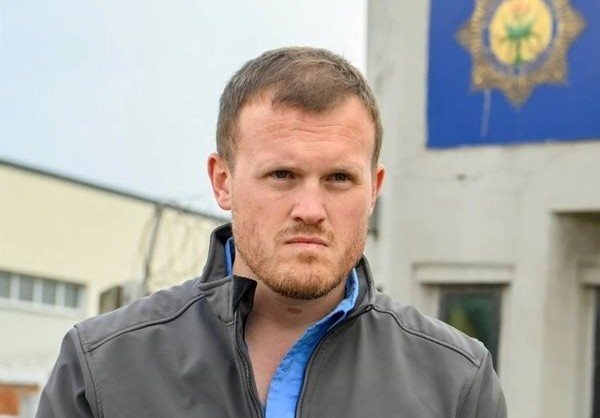
CRIME NEWS - Member of Parliament and former activist, Ian Cameron, has called for an urgent national intervention to expand South Africa’s forensic DNA-processing capacity, following what he called "the shocking response" to DA parliamentary questions.
He says properly regulated partnerships with capable university laboratories can play a crucial role to address the dangerous situation.
Cameron, the DA's deputy spokesperson on police and the national assembly chairperson of the portfolio committee on police, says the latest parliamentary replies confirm that South Africa’s forensic DNA system is facing a serious capacity crisis.
He quotes the following statistics:
- 298 710 DNA exhibit entries are on hand
- A whopping 228 017 entries currently exceed the prescribed processing timelines on 90 days. Of these, 33 678 are Crime Index samples (court-related evidence), which are particularly critical for prosecutions.
- There are 62 975 case entries related to rape, murder, and sexual offences against children currently on hand. This includes 32 009 Crime Index samples, which are essential for court cases involving the most vulnerable victims.
- The average age of entries is estimated at 800 calendar days, meaning many victims are waiting over two years for forensic results. The oldest entry on hand, at 1 273 calendar days, is attributed to administrative errors, but the sheer volume suggests this might not be an isolated incident.
Cameron says a DNA backlog is not merely an internal administrative problem.
"When DNA evidence is not processed, suspects are not linked to crime scenes, detectives lose vital leads, prosecutors are left with weaker evidence and victims wait longer for justice.
"In serious cases involving murder, rape and other violent crimes, an unprocessed DNA sample may be the difference between identifying a dangerous offender and allowing that offender to remain free."
He is particularly concerned by reports that some laboratories may be analysing only one crime-scene exhibit in cases where three or four potentially relevant exhibits were collected.
Cameron plans to seek confirmation of whether any exhibits have become unusable, contaminated, lost or otherwise compromised because of processing delays. A parliamentary question on this remains unanswered.
"Saps must urgently assess partnerships with suitably equipped and accredited universities. Every delayed DNA result represents a real case, a real victim and a real risk that a perpetrator may escape justice."
‘We bring you the latest Garden Route, Hessequa, Karoo news’