


GEORGE NEWS - Every child deserves to grow up in a home that feels safe, stable and free from fear.
Yet for many, the reality behind closed doors is very different, shaped by violence and emotional distress that often goes unseen, but has lasting consequences.
Against this backdrop, National Child Protection Week - 29 May to 5 June - campaigns for the rights of children, as set out in the Constitution of the Republic of South Africa and the Children's Act (Act No 38 of 2005).
Two experts shared their insight on the long-term impact of domestic violence on children.
Belinda Campher, hospital manager at Akeso in George, says children are often deeply affected even when they are not the direct victims. "As the hospital manager of a psychiatric clinic, I am confronted daily with the reality that domestic violence affects far more people than the direct victim," she says.
"Many of the children admitted to our facility have never been physically harmed themselves, yet they carry the emotional scars of growing up in homes where violence, fear, intimidation, conflict or emotional abuse are part of daily life."
Campher explains that children exposed to such environments often live in a constant state of anxiety, which can lead to depression, behavioural challenges, substance abuse and difficulties in relationships and school performance. Over time, this stress can also normalise unhealthy patterns. "Living in fear and aggressive responses start to be perceived as normal," she says.
According to Campher, domestic violence is not only a crisis for adults, but a significant child mental health concern, and she stresses that healing begins with open acknowledgement and support.
Nicolette Buitendag, director of Families SA (Famsa), warns of the long-term effects of exposure to violence. "Children who witness abuse are at a much higher risk of anxiety, depression, low self-esteem and difficulties forming healthy relationships," she says.
She adds that the impact can extend into adulthood. "Research shows that children who witness domestic violence are more likely to repeat the cycle of abuse in adulthood. Boys who observe their fathers abusing their mothers are significantly more likely to become abusive partners later in life, while girls exposed to abuse are more likely to become victims of abusive relationships," said Buitendag.
She said ultimately, violence in a home replaces the love, safety and stability children need to thrive.
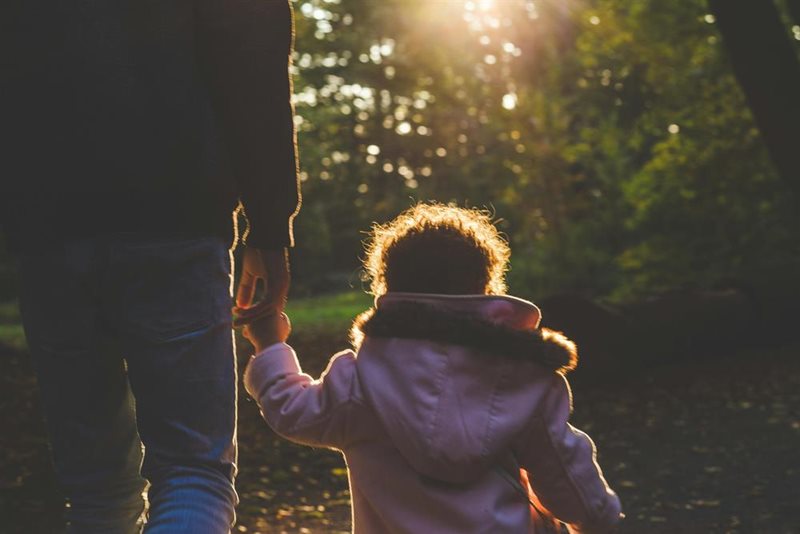
 Photo: Pexels, for illustrative purposes
‘We bring you the latest Garden Route, Hessequa, Karoo news’