


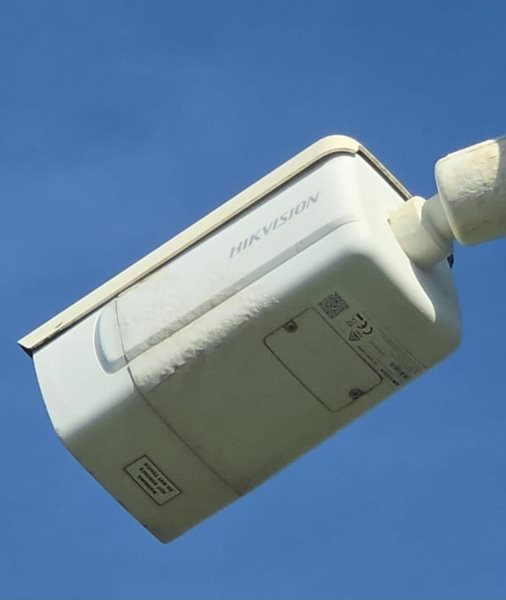
GEORGE NEWS - An established network of security support structures built up over the past decade is facing disruption following the reported withdrawal of National Vehicle Intelligence Cloud (Navic) access from hundreds of previously authorised operators in George, according to several sources involved in the city’s security network.
Members of community policing forums (CPFs), neighbourhood watches, Community in Blue, farm watches, anti-fraud units, cybersecurity and police personnel, including members involved in crime intelligence and other functions, allegedly lost access to the surveillance system on Tuesday 22 September.
Several of the sources independently raised the alarm with multiple George Herald journalists.
The system uses licence plate recognition (LPR) cameras to capture and identify vehicle licence plates in and around George.
Public safety concerns
Those who reportedly lost access include people with years of experience who have assisted police, law enforcement and other agencies. Sources said they have used the system to assist with vehicle tracing, investigations, missing person searches and other crime prevention activities.
One source said the network had also played a role in tracking potentially vulnerable people and monitoring activity linked to suspected criminal networks.
“The department does not have sufficient understanding of the system and the impact of this action on public safety,” they said. “We are very concerned about the apparent lack of capacity and how this will affect crime in George. We bring this to the media as we feel that it is in the interest of the public to be aware of what is going on and how public funds are being managed.”
Who is responsible?
The reported withdrawal of access falls under the municipality’s Community Safety and Mobility Directorate, headed by Lee-Anne Meiring. The municipality is understood to be the custodian of the Navic system in George.
Volunteers from various safety structures said they were stunned to discover that their access had been withdrawn without prior notification or consultation.
According to sources, a previous meeting had been held at which Meiring reportedly indicated that the municipality was considering a “clean-up” of operators with access to the system.
Sources said concerns and objections were raised at the time, and that the municipality agreed to reconsider the proposed changes and return to the group with a workable solution.
They said no follow-up meeting took place and that the operators were not warned before their access was revoked.
Those wishing to regain access are required to complete a 12-page application form issued by the municipality. The form states: “Access may be monitored and audited by George Municipality. George Municipality may review user activity, searches and system usage for security, compliance and audit purposes.”
Operators have raised concerns about this requirement, particularly those involved in sensitive investigations and who assist police with crime prevention activities. They said the monitoring and review of user activity and searches could potentially expose sensitive information and create safety concerns for operators and their families.
The sources also questioned why a municipal department with a different mandate from the police would need to review user activity and searches conducted by the police and their support structures. They said many operators preferred to remain unnamed because of the nature of their work and safety concerns.
Different access arrangements
The sources pointed to what they described as irony: despite trained and certified operators losing access to the George system, they still have access to LPR cameras operated by other entities, including farm watches, private security companies and municipalities outside the George city area.
Some of these organisations have reportedly installed and funded their own cameras and continue to provide access to state departments in support of crimefighting initiatives.
Concerns over relationships
According to the sources, the changes have damaged relationships between some safety structures and the municipality’s Community Safety and Mobility Directorate.
They also questioned the department’s engagement with the wider security network, and said some stakeholders were concerned about a lack of participation in regular security meetings and communication with safety structures.
Several sources said they believed the relationship could only be repaired through meaningful engagement, acknowledgement of the contribution the volunteers have made and changes to the management structure.
Municipality responds
George Herald asked the municipality to clarify the reported withdrawal of Navic access from previously authorised operators from 22 September, which operators were affected, why the decision was made and who authorised it.
The municipality was also asked about access arrangements for cameras in George, whether the police and other safety structures had been affected or consulted, and what impact the reported changes could have on crime prevention, vehicle tracking, missing person searches and public safety.
Questions were also asked about the requirements and authority for granting or revoking Navic access, whether the changes form part of the Integrated Operational Centre (Hub), and whether the municipality had received objections from affected safety structures.
The municipality responded that it could not disclose operational or security-sensitive information about its security systems, saying that doing so could compromise investigations or public safety. “The municipality continues to work closely with the South African Police Service [SAPS] and other relevant safety and security stakeholders in support of crime prevention and public safety in George,” it said.
Police response
George Herald also asked the police to confirm the reports that access to the George city Navic surveillance system had been withdrawn from some previously authorised operators.
The police were asked whether police personnel had been affected, whether they had been informed or consulted, and whether the reported changes had affected policing or crime prevention operations.
The police were also asked about the general role of Navic in supporting policing and whether the reported reduction in authorised operators could affect operational capacity.
The Southern Cape Police’s spokesperson, Warrant Officer Chris Spies, said SAPS is not the custodian of the platform. “We work closely with strategic partners in safeguarding the public,” he said.
Spies said SAPS was not at liberty to divulge information on operational matters referred to in the media enquiry or confirm information on criminal investigations. “Sharing such information could jeopardise ongoing police investigations,” he said.
‘We bring you the latest Garden Route, Hessequa, Karoo news’