


BUSINESS NEWS - As annual bonuses and 13th cheques land in our bank accounts, the excitement of finding the perfect gift or treating ourselves becomes tangible.
For many, this means upgrading electronics or adding smart technology to our homes but, with social media fuelling trends, and a flood of ‘dupes’ and budget knock-offs on the market, it’s becoming harder to tell whether a gadget will truly add value – or just end up broken, obsolete, or even hazardous.
South African consumers are showing a growing interest in lifestyle tech that combines convenience with reliable performance. Wireless home security systems, for instance, allow homeowners to monitor their property remotely, providing peace of mind and practical functionality.
4K Google TVs have become a must-have for streaming and immersive entertainment experiences, while smart home devices like air purifiers, humidifiers, and dehumidifiers highlight a shift toward wellness-focused living.
These choices show that South Africans are looking for tech that genuinely adds quality to their daily life, rather than flashy gadgets that fail quickly or deliver minimal value.
And this is why lifestyle tech should be treated as an investment in quality. Cheaper alternatives may seem appealing in the short-term, but they often fall short on performance, safety, and durability.
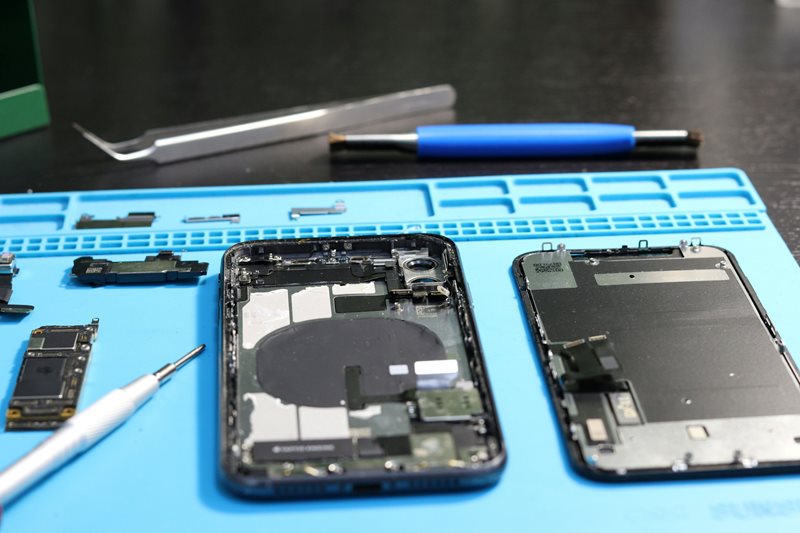
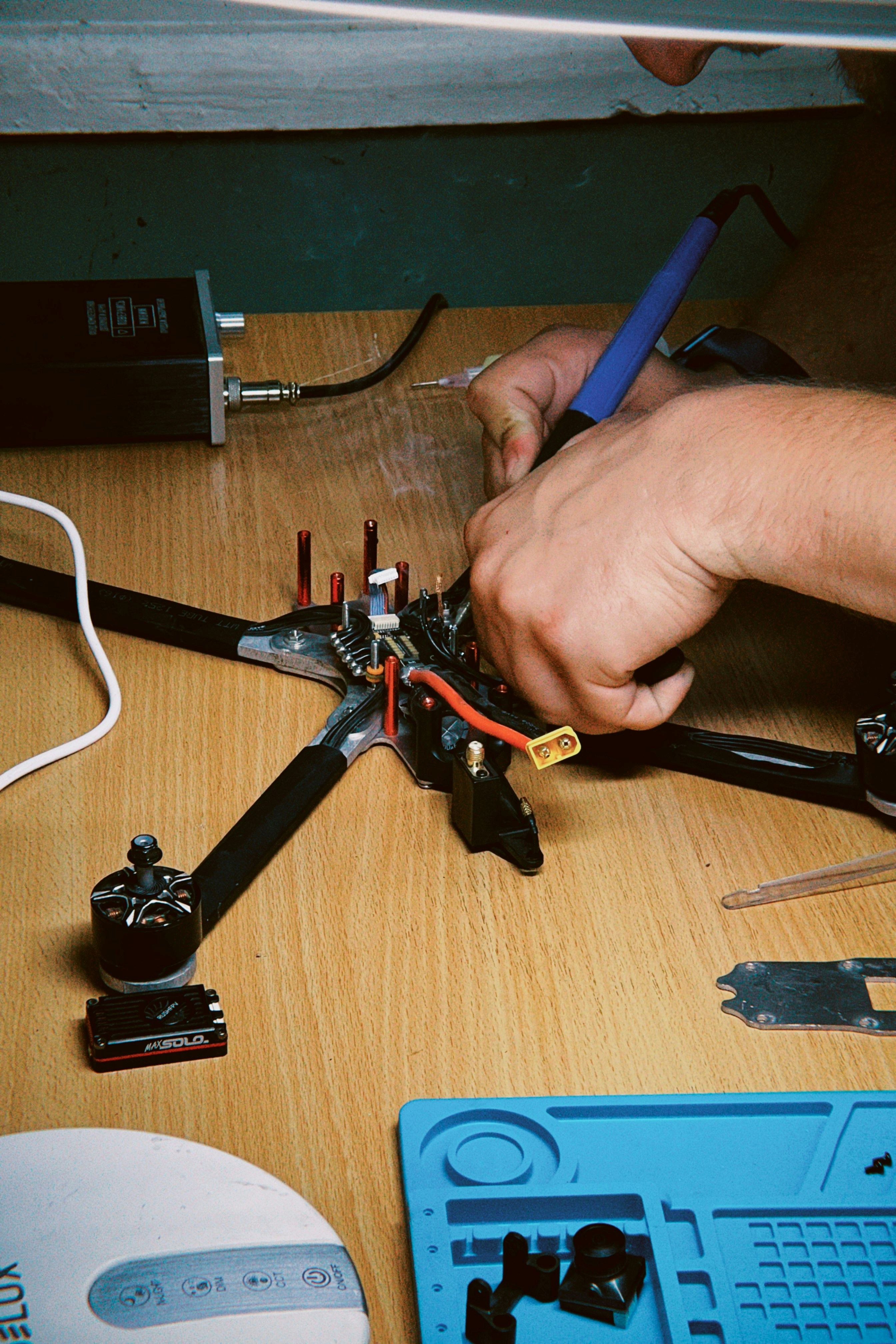
To start with, fake or poorly made electronics can present real hazards: faulty batteries may leak or catch fire, poorly soldered circuits can short, and programmable components may carry malicious code that compromises personal data.
They may also just not perform as well as a high-quality equivalent. Low-end air purifier filters are known to be at least 41% less effective than their high-end counterparts, while a purifier with a genuine HEPA filter kills bacteria and viruses, and traps up to 99.975% of particles, allergens, pollen, dust, smoke, mould spores and pet dander.
It also reduces VOCs (volatile organic compounds, which can be 10 times more concentrated indoors compared to outdoors), toxic fumes, and odours.
Poor-quality electronics don’t only underperform; they also contribute to a mounting e-waste problem. Globally, 62 million tons of e-waste were generated in 2022, with projections pointing to 82 million tons by 2030.
Low-end knock-offs accelerate this issue by wearing out faster and needing more frequent replacement.
Even devices that remain physically intact often become functionally obsolete within a few years. A 2023 study found that only 57% of apps continued to work on once-modern tablets, highlighting the hidden cost of cheap tech: paying repeatedly for gadgets that no longer perform.
 Photos: Supplied
Smart consumers can navigate the lifestyle tech market by doing a few practical checks before buying:
- Warranty: Compare product warranties across brands. A longer warranty (ideally 2-5 years) signals manufacturer and retailer confidence in durability, and provides protection if a product fails.
- Reviews: Rely on trusted, objective, independent review platforms like TrustPilot and Google rather than social media endorsements.
- Research: Investigate a product’s history, reputation, and presence in reliable retail outlets and websites.
- Availability: Well-distributed brands in reputable stores or on official sites are less likely to be short-lived fads.
- Specifications: Examine product descriptions carefully: high-quality items will clearly outline capabilities and safety features.
- Energy efficiency: Sustainable, energy-conscious products indicate thoughtful design and longer-term usability.
- Customer service: Ensure that the retailer provides real, reachable support.
Ultimately, choosing quality over convenience is about more than cost. It’s about respect for your own time, safety, and lifestyle. The right technology should protect and enrich daily life, and making thoughtful, quality-focused choices transforms gadgets from fleeting novelties into tools that truly enhance everyday living.
‘We bring you the latest Garden Route, Hessequa, Karoo news’