

NATIONAL NEWS - DGMT welcomes President Ramaphosa's commitment in his State of the Nation Adress to end stunting by 2030.
The announcement comes just two months after his Cabinet approved the National Strategy to Accelerate Action for Children (NSAAC) which sets 10 national priorities to improve the lives of children and teenagers.
The president said his government will focus on interventions in the first 1000 days of life, from conception to a child's second birthday, a critical period for child growth and development.
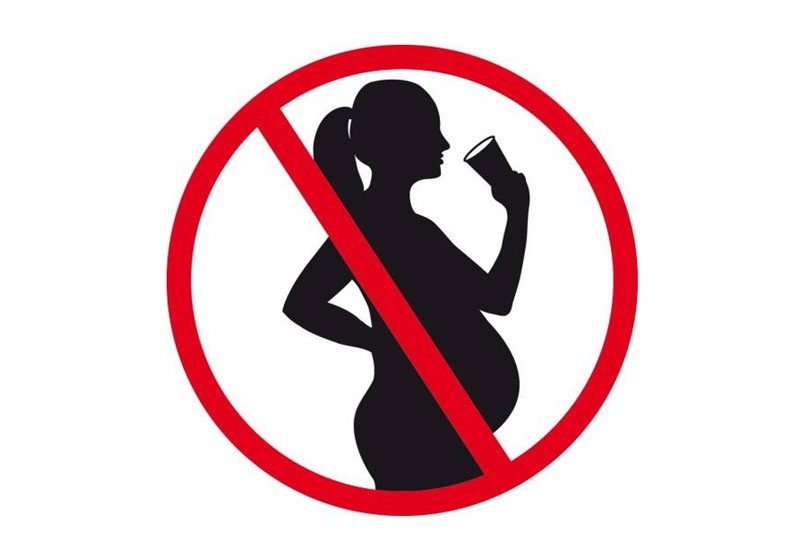
Evidence shows that the risk of stunting increases when babies are born with a low birth weight (under 2.5 kg) and never catch-up because their mothers were malnourished or drank alcohol while pregnant.
So, it's encouraging that the president wants to "implement targeted interventions to ensure that pregnant women and low birth-weight children get the protein and nutrients that they need".
Funding towards the government's stunting eradication plan will be allocated during the Medium Term Budget Policy Statement.
We want to see adequate funding to evidence-based strategies that will have the greatest impact and return on investment, such as the following:
- Introducing Multiple Micronutrient Supplementation (MMS) for pregnant women. A single tablet replacing iron and folate with a more effective combination of 15 vitamins and minerals, shown to reduce low birthweight, preterm birth and early infant mortality. MMS is a practical, scalable intervention delivered through existing health platforms.
- Implementing a Maternal support Grant (MSG), starting in the second trimester of pregnancy and transitioning seamlessly to the Child Support Grant after birth. Income support during pregnancy improves maternal nutrition, increases clinic attendance and reduces the risk of low birthweight, one of the strongest predictors or stunting.
- Providing targeted nutrition support to pregnant women at risk of having a low birth weight baby and new mothers of low birth weight babies. This must be complemented by more intensive health care support through community health workers and regular clinic monitoring.
South Africa has the highest rate of Foetal Alcohol Syndrome in the world and, over the past decade, about 800 000 babies were born underweight and brain-damaged due to alcohol exposure in the womb.
To address this problem and the harms caused by heavy drinking, we urge the government to introduce minimum unit pricing. We also want to see follow through on the president's call on provinces to tighten regulations around liquor trading hours and limiting the density of liquor outlets.
DGMT is a public innovator committed to developing South Africa’s potential through strategic investment. That is why the core of their work is human development.
‘We bring you the latest Garden Route, Hessequa, Karoo news’