

GARDEN ROUTE NEWS - Coastal erosion is a harsh reality along the coastlines of the Western and Eastern Cape, and the Garden Route is not escaping its impact.
The damage is visible, measurable, and ongoing as rising sea levels and increasingly severe storm surges take their toll.
Coastal degradation is now a high priority for towns and cities along the coast, with planning increasingly focused on relocating infrastructure out of harm’s way.
The Garden Route Environmental Forum committee recently raised these concerns in a meeting which included municipalities, SANParks, and CapeNature, highlighting the urgent need for the implementation of proactive coastal management strategies.
The issue also received attention at the Eastern Cape Sustainability Seminar hosted at Nelson Mandela University in Gqeberha in early December.
It is a large scale problem that the Garden Route is not escaping. The erosion of the ancient dune systems between Kleinkrantz and Gericke’s Point is clearly visible and is accelerating.
The secondary and primary dunes along much of the Wilderness coastline have been virtually washed away.
In Cape St Francis, there are growing fears that the marina and properties bordering the canals from the Krom River could be flooded if the dune system protecting them from the ocean fails. This erosion results largely from human interventions that disrupted large scale natural dune movement, leaving dune systems exposed and unable to perform their protective function.
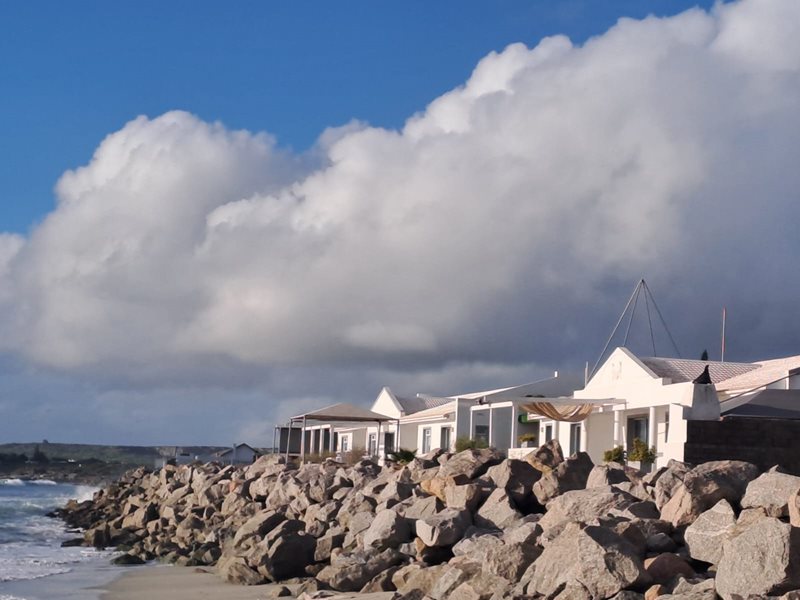
Different approaches have been tried along the coast. Langebaan required hard engineering interventions, while in Buffels Bay, softer methods like heavy sandbagging have shown some success.
Despite these efforts, landowners with seafront properties remain at risk, and unregulated attempts to protect property can worsen erosion on neighbouring land due to the shifting of kinetic energy of surging waters.
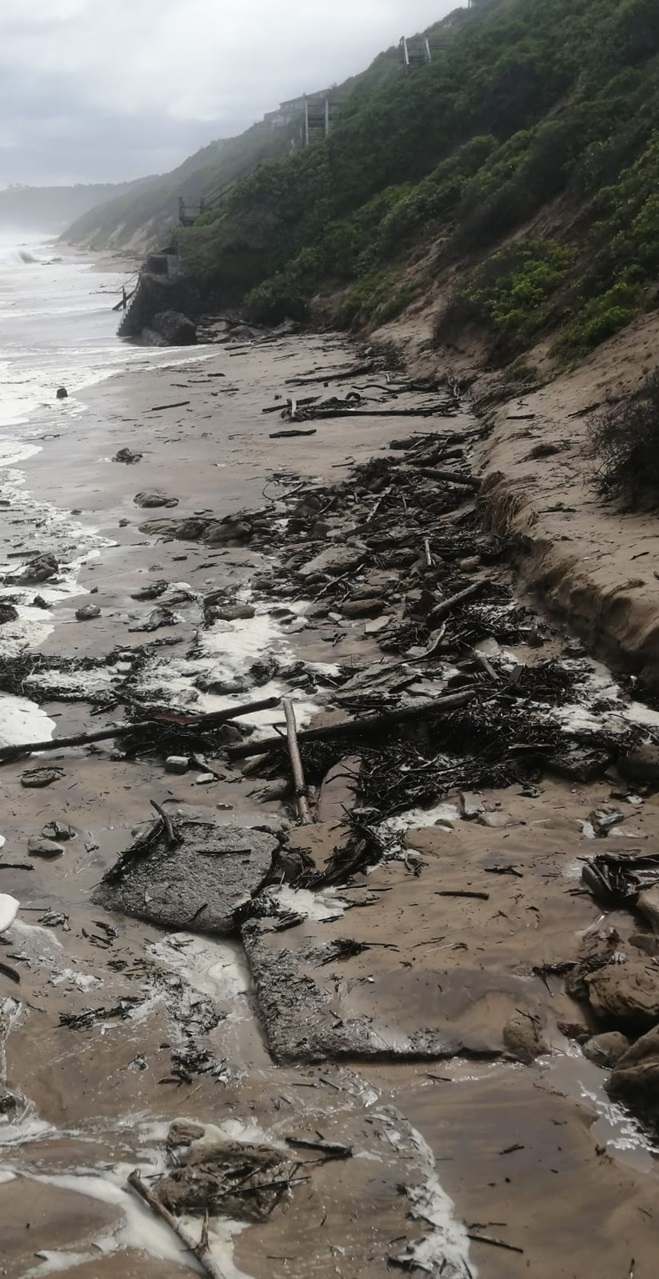 Wilderness beach erosion.
Touw River
The problem extends beyond property damage. Sand build-up in river mouths such as the Touw River and estuaries disrupts ecosystems, while ongoing drought conditions in 2025 have reduced freshwater flow, contributing to the water crisis in Buffels Bay.
Looking ahead, municipalities and landowners face a complex challenge. More research, smart planning, and innovative engineering solutions are essential to manage the changing coastline.
Cobus Meiring has been appointed by the Western Cape Department of Environmental Affairs and Development Planning as chairperson of the Garden Route Marine and Coastal Committee.
Comment and opinion are that of the author and not necessarily shared by Group Editors, any of its publications or staff members.
Read more opinion pieces here.
‘We bring you the latest Garden Route, Hessequa, Karoo news’