

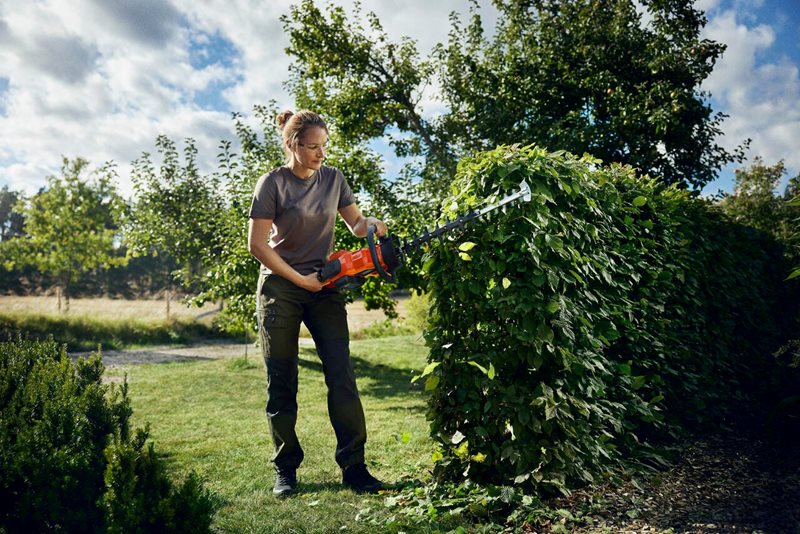
LIFESTYLE NEWS - Smaller branches and cuttings can be cut into manageable pieces and added to a compost heap or used as mulch around flower beds and borders.
Turn garden waste into mulch
Garden mulch can help suppress weeds, retain moisture and gradually add organic matter to the soil as it breaks down.
A layer of about 5cm to 10cm is generally sufficient. The material should not be piled too thickly, as this can prevent water and air from reaching the soil.
For larger quantities of branches, a garden shredder or woodchipper can turn woody material into mulch more efficiently.
Create a wildlife habitat
A neatly arranged pile of branches and other natural garden material can provide shelter for insects, frogs, lizards and other small wildlife.
A habitat pile can be placed in a quiet corner of the garden, preferably away from the house and areas used frequently by people.
However, large or neglected piles can also attract unwanted pests. Keeping the pile reasonably small and checking it occasionally can help maintain it as a useful garden feature without creating unnecessary problems.
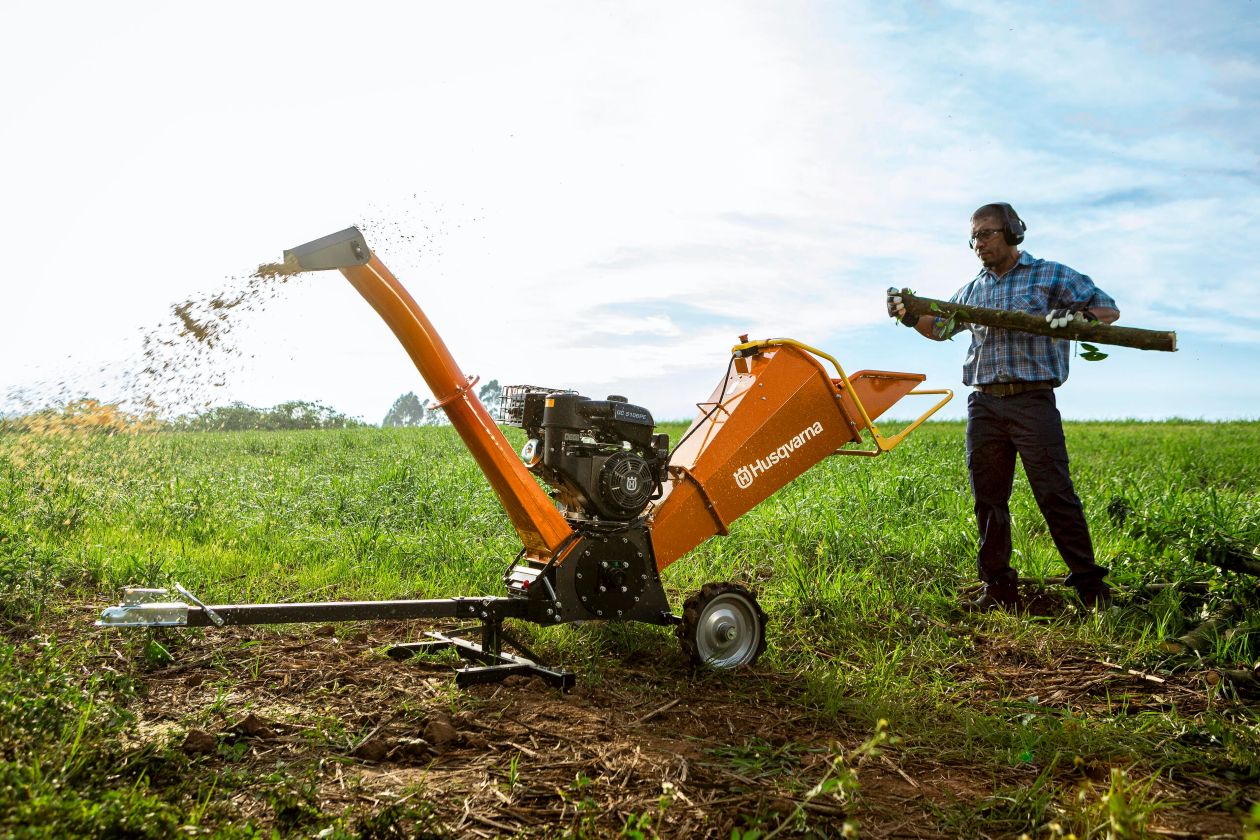
Garden mulch can help suppress weeds, retain moisture and gradually add organic matter to the soil as it breaks down. Photos: Supplied
Give branches and logs a new purpose
A felled tree does not necessarily have to become garden refuse.
Once properly cut and seasoned, suitable wood can be used as firewood for fireplaces or outdoor cooking.
Thicker branches and logs can also be used as natural edging around flower beds and pathways. Tree stumps can potentially be turned into seats or plant stands, while sturdy branches can be used as supports or trellises for climbing plants.
In some cases, keeping a piece of wood intact rather than cutting it into smaller pieces can make it more useful.
Know what should be discarded
Not all garden waste should be reused.
Branches affected by serious pests or plant diseases should generally be removed from the garden rather than added to compost or used as mulch. Reusing infected material can potentially spread pests or disease to healthy plants.
Weeds that have developed seeds can also cause problems in a home compost heap. Compost piles may not always reach temperatures high enough to destroy weed seeds, which could later germinate when the compost is spread through the garden.
These materials should instead be disposed of according to local municipal waste-management requirements.
Check your local garden-waste rules
Municipalities differ in how they handle garden waste. Some provide scheduled collections, while others require residents to take larger quantities to designated garden-waste or disposal facilities.
Before transporting a large load of branches or other vegetation, check the requirements in your area, including what materials are accepted and where they can be disposed of.
Look at garden waste differently
Pruning and clearing may feel like the end of a gardening job, but the resulting pile can contain useful material.
Branches can become mulch, habitat, garden edging or plant supports, while suitable wood can eventually be used as firewood.
With a little planning, much of what would otherwise be treated as waste can be put to practical use in the garden.
The next time spring pruning leaves the garden looking like a small logging operation, it may be worth looking at the pile as a resource before sending it away.
‘We bring you the latest Garden Route, Hessequa, Karoo news’