

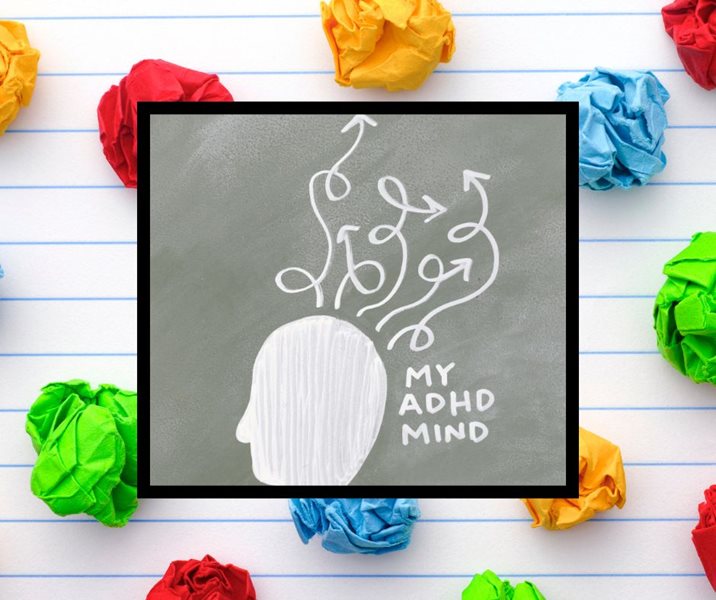
LIFESTYLE NEWS - Undiagnosed Attention Deficit Hyperactivity Disorder, more commonly known as ADHD, seriously affects a person’s ability to function at work or at school and is often mistaken for a behavioural problem.
“My life was chaotic before I started treatment. Other people don’t understand what someone with ADHD experiences mentally and emotionally,” says Daphne Solomons*, whose name has been changed to protect her confidentiality.
Pharmacist Angel Mahlulo of Medipost Pharmacy says that individuals with undiagnosed ADHD are often stigmatised because of symptoms such as impulsivity, constant disorganisation, forgetfulness, or an inability to pay attention, and difficulties with emotional control.
“ADHD is a lifelong neurodevelopmental condition, with symptoms often appearing before the age of 12, although often the cause is often not medically investigated. Diagnosis is frequently delayed into adulthood or missed entirely. Sadly, the characteristics of unmanaged ADHD are often perceived by others as intentional defiance or lack of discipline.”
ADHD can sometimes be harder to identify in women and girls. “It has been noted that ADHD is more likely to present differently in females, who more often experience symptoms known as ‘internal storms’, such as inattentiveness, anxiety, and personality quirks such as hyper-talkativeness, contributing to delayed treatment,” Mahlulo says.
“If these symptoms sound familiar, a professional assessment for ADHD should be considered. With a treatment plan in place and consistent use of the prescribed medication, ADHD can become highly manageable,” she says.
Life-changing diagnosis
Daphne was diagnosed with ADHD at the age of 36, and she affirms that her life changed for the better once she was on treatment.
“Before, life was one big hurdle after another, but once I was diagnosed, life became easier, and I learned coping mechanisms to deal with some of the difficulties I’ve struggled with. For example, I keep a notebook to ensure basic tasks are on my ‘to do’ list because I often lose track of things due to my ADHD,” she says.
“With medication, I no longer struggle to focus on daily activities, and my condition is not affecting my day-to-day life as it did before.”
Mahlulo explains that medications for ADHD usually target how the brain processes the chemicals involved in focus and concentration, dopamine or norepinephrine, either by directly stimulating the brain to release more of these hormones or, indirectly, by increasing the brain’s sensitivity to them.
“When taken consistently, medication helps people with ADHD because they are less easily distracted, making it possible to focus on tasks in a way that many of us take for granted. Medication may also have a calming effect, reducing hyperactivity and impulsivity that can be disruptive.”
Caring for children with ADHD
Parents of children who have been prescribed chronic medication for ADHD should be especially aware of just how important it is to adhere to treatment.
“Managing your child’s ADHD is especially vital for their academic, social and psychological success. Medication taken consistently will meaningfully assist with your child’s daily functioning, and as pharmacists, we are here to support you,” Mahlulo says.
Non-pharmaceutical strategies are also recommended as part of the treatment plan for managing ADHD in children and adults alike. Burning off excess energy through exercise or sport, limiting screen time, and maintaining a set bedtime routine can be helpful. For some children, a supportive school environment and teaching style, with increased opportunities for outdoor breaks and time-out, can be beneficial.
Like many thousands of South Africans living with chronic conditions, Daphne relies on Medipost Pharmacy to dispense and deliver her medication each month, providing an essential service that helps her stay on track with treatment. Simply WhatsApp your next script to 012 426 4655 to register for free delivery of chronic medication.
Medipost keeps in touch with reminders when the next script renewal is due, and patients can discuss their medication questions in any official South African language with a member of the pharmacy team.
“We also advise on any replacement medicines that may be required, and work with the prescribing doctors to confirm the correct medication and dosage where needed,” Mahlulo adds.
“For too long, children with this neurodevelopmental condition were misunderstood, and the significance of their behaviours was overlooked. It is an injustice that today’s undiagnosed adults might have benefited from treatment decades earlier. With greater public awareness, particularly among parents, educators and carers, ADHD can be recognised, addressed and managed earlier.”
*Not her real name.
‘We bring you the latest Garden Route, Hessequa, Karoo news’