


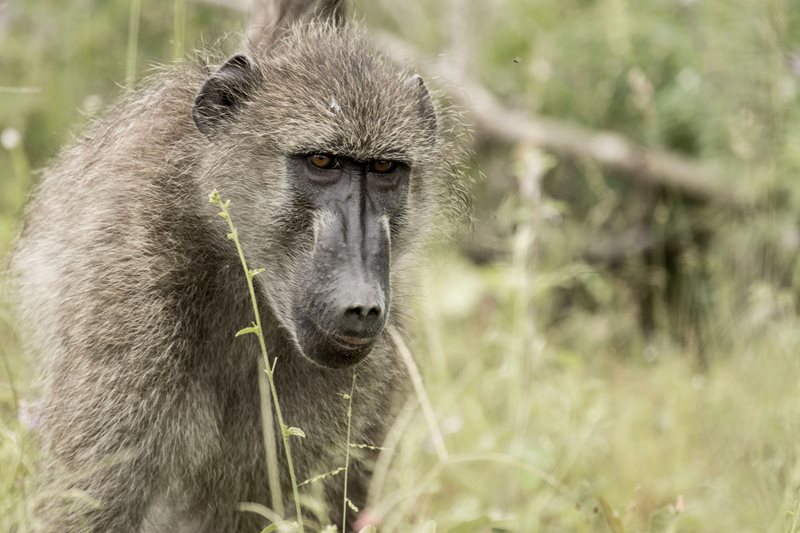
ENVIRONMENTAL NEWS - Residents in the Cape Peninsula's Far South will start receiving lockable baboon-proof bins this month, while work is about to begin on a boundary fence aimed at keeping baboons out of urban areas further north.
The Cape Peninsula Baboon Management Joint Task Team (CPBMJTT) - made up of SANParks, CapeNature and the City of Cape Town - says the rollout and the fence project mark the first practical steps in implementing the approved Cape Peninsula Baboon Strategic Management Plan (CPBSMP).
The plan's action plan was approved by the three authorities in November.
Bins for the Far South
The City's Urban Waste Management Directorate will deliver the first 2 200 of 6 000 baboon-proof bins to the areas hit hardest by human-baboon conflict by mid-September. These are Plateau Road; Castle Rock; Heron Park; Murdoch Valley South; De Oude Weg; Da Gama; Capri; Welcome Glen; Scarborough; Tokai East and Fir Grove.
Every household in these areas will receive a bin to replace its old one, and the City says it will notify residents ahead of time so they know when to expect the swop.
A resident, or someone on their behalf, will need to sign for the bin on delivery, and households are advised to mark their bins with a street number.
Simon's Town is not on the list, since the Seaforth and Waterfall troops will instead be moved to the planned Urban Wildlife Centre. The City says bins will eventually reach all affected Far South communities as stock becomes available.
Northern fence to secure habitat for 250 baboons
Work on a boundary fence stretching from Zwaanswyk to Constantia Nek will start later this month, following the completion of environmental checklists and administrative approvals.
The fence is intended to stop baboons from reaching farmland and urban areas in the north. The CPBMJTT describes it as the largest public-private partnership of its kind yet undertaken to reduce human-baboon conflict in the region, securing habitat for about 250 baboons.
Seven landowners of wine farms bordering Table Mountain National Park in the Constantia Valley, the Cape Baboon Partnership and the City signed a memorandum of understanding after a year of negotiations, setting out shared responsibility for building, maintaining and running the fence.
Construction is expected to start later this month and take about six months.
Once it is up, rangers will encourage the Constantia 1 and Constantia 2 troops to move to the mountainside of the fence, and will continue to patrol the fence line.
No baboons will be permitted on the urban or agricultural side, or over Constantia Nek.
Under the agreement, the landowners and the Cape Baboon Partnership will split the construction and upgrade costs, with the City contributing a once-off R10m. All parties will share future maintenance costs, including inspections, repairs and firebreaks.
Urban Wildlife Centre progressing
Plans for the Urban Wildlife Centre, to be built on City-owned land on the peninsula, are moving ahead. The Seaforth and Waterfall troops will move there once the centre is operational.
The Cape Baboon Partnership has appointed a sanctuary manager to run the facility long-term.
Stakeholder groups, environmental organisations, community members and representatives of the Cape Peninsula Baboon Advisory Group have visited the site over the past two months, and the CPBMJTT says feedback so far has been positive.
Court dismisses urgent application
The Western Cape High Court dismissed an urgent application on Friday (28 August) brought by the Liberty Fighters Network and Reyno de Beer, who had asked for the presiding judge to recuse himself. The court also ordered costs against the applicants.
The judge found that the recusal bid was an attempt to sidestep the legal costs of earlier proceedings.
Those proceedings, in which the Liberty Fighters Network and De Beer sought to interdict the CPBMJTT from implementing its action plan, were dismissed in February.
In the February ruling, the court affirmed the three authorities' constitutional and statutory mandate to work together on baboon management, and found that bringing the case as an urgent matter amounted to self-created urgency and an abuse of court process.
De Beer, in his personal capacity, was ordered to pay the three authorities' legal costs from the February case, and the court ruled that no further proceedings in the matter can continue until those costs are settled.
Research into keeping baboons out of towns
A Swansea University research project looking at "disgust mitigation and deterrents" in the Da Gama troop ended on 21 August, with all tracking collars self-releasing and being collected by researchers.
The project tested whether sights, sounds and smells could influence where baboons choose to move, forage and rest, to find new, non-invasive ways to keep them out of urban areas. The data is still being analysed, and findings will be released once the study is complete.
Getting involved
The Cape Baboon Partnership supplies baboon rangers, runs the Baboon Hotline and handles community liaison and education. Residents affected by baboon troops can join WhatsApp groups for their area via baboons.org.za, where summary reports on each troop's health, movements and numbers are also available.
The CPBMJTT says it remains committed to managing a healthy, free-ranging baboon population on the peninsula with minimal conflict with residents.
‘We bring you the latest Garden Route, Hessequa, Karoo news’