

AGRICULTURAL NEWS - Agri Western Cape's Garden Route regional representative, Henry Meyer, says a blanket vaccination of all cattle in South Africa is not necessarily the best way out of the foot-and-mouth disease (FMD) crisis.
"It could have far-reaching implications for the meat and dairy industries. We propose instead that only affected herds be vaccinated and, in addition, biosecurity be implemented.
"South Africa does not have the required policing capacity for the latter, but we could establish a number of FMD-free corridors countrywide with very strict movement and biosecurity controls in place."
Meyer responded to the Minister of Agriculture, John Steenhuisen's announcement on Wednesday 26 November of a new strategy by the Department of Agriculture to vaccinate the entire national cattle herd against FMD.
Meyer says because a vaccinated animal is regarded as FMD-positive, existing exports are likely to be impacted, and the country will lose the potential of exporting to untapped markets.
"You cannot sell genetics if your cattle are vaccinated. It could also impact the hunting industry when international tourists might not be allowed to take their trophies home. Slaughtering also involves a very stringent process currently done by only a few adapted abattoirs, so the question is whether all abattoirs will have to be upgraded."
Vaccination is going to be costly - at least R1bn for the whole national herd, which is estimated to be between 13.5 and 14 million cattle strong. Furthermore, it is impossible to vaccinate against all of the 15 to 16 different FMD strains found in Africa, and pigs and sheep can also spread the disease, he said.
Systematic rollout
Steenhuisen said the strategy will be rolled out systematically, beginning with the hardest-hit provinces - KwaZulu-Natal, Gauteng, the Free State, Mpumalanga and North West. For this purpose, the department will procure two million vaccine doses by February. It will also establish a new mid-scale vaccine production facility to reduce dependence on imported vaccines, and between government and industry, an additional 1.5 million doses should be made available.
"This initiative will position us to apply to the World Organisation of Animal Health (Woah) for recognition of freedom with vaccination status."
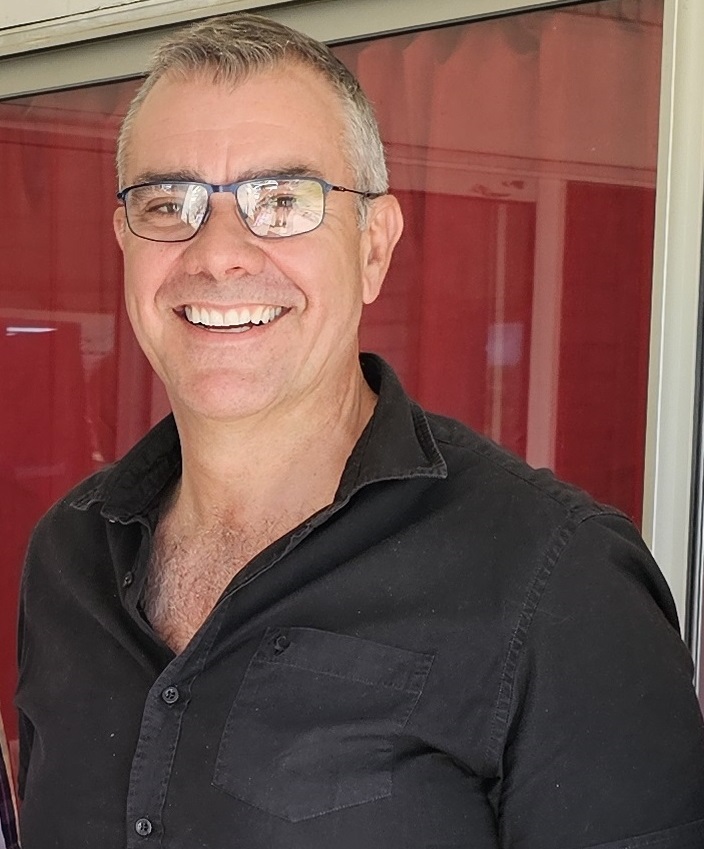 George Kuyler
Local farmer welcomes vaccination
George Kuyler, owner of the Skimmelkrans dairy farm, welcomed the announcement.
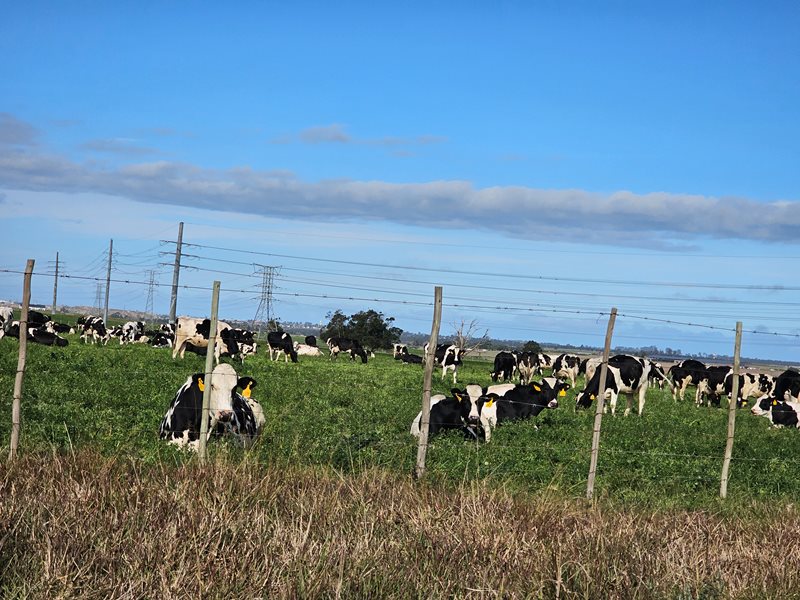
"FMD is a time bomb waiting to explode. We've seen with the outbreak in Gouda it is difficult to police the movement of animals. A countrywide vaccination will protect the industry, although it will have certain outcomes for the exports of certain meat and dairy products.
"There are countries whose parameters will not allow imports from vaccinated countries, but the majority of South African dairy exports are to BNLS countries [Botswana, Namibia, Lesotho and eSwatini] where it will not have such a big impact, as they struggle with the same issues. FMD-free-with-vaccination status is preferred to the constant threat of FMD hanging over our heads."
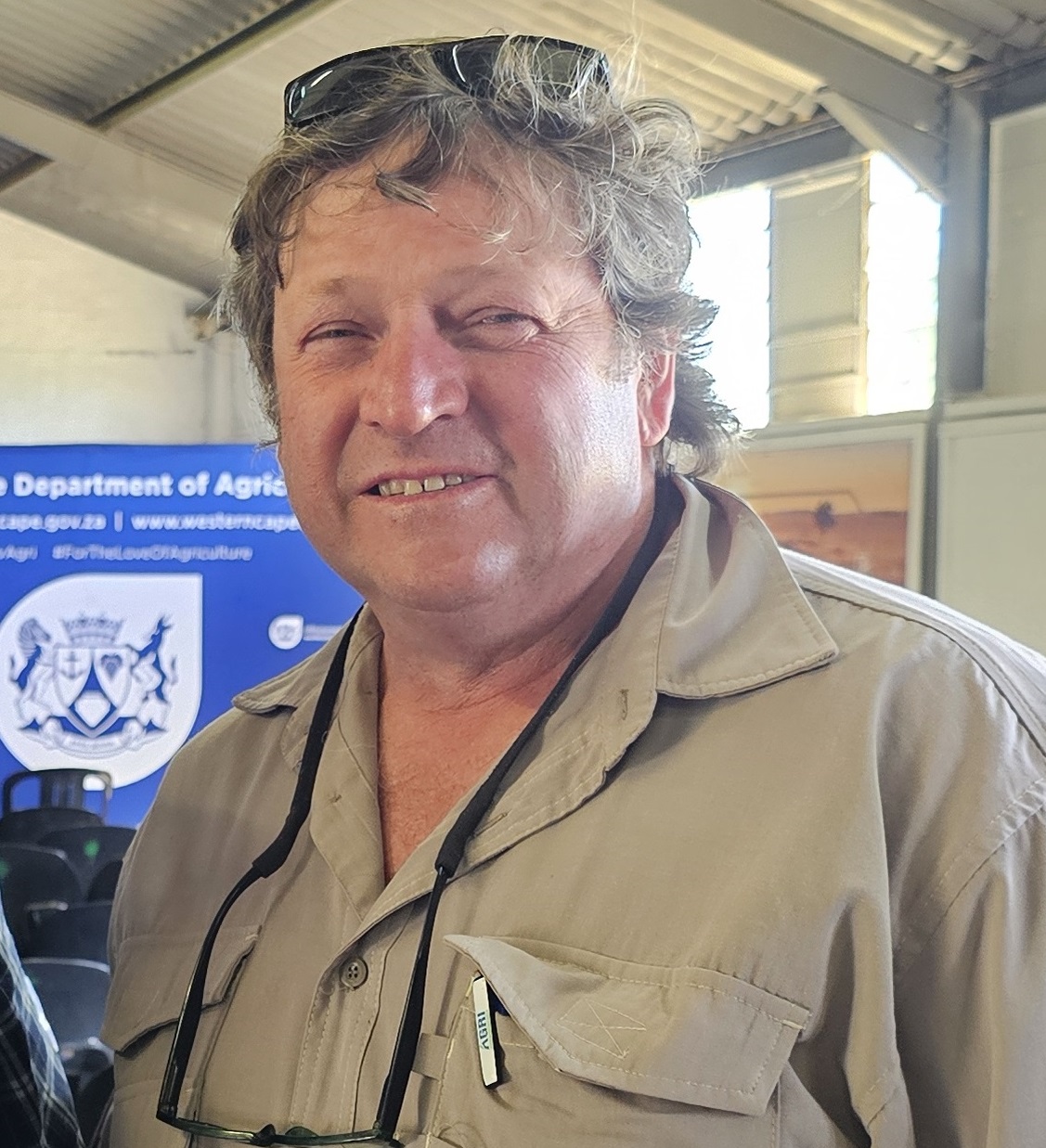 Henry Meyer
Outeniqualand Farmers' Association
Bossie Terblanche, chairman of the Outeniqualand Farmers' Association, says vaccination could be the saving grace for the dairy industry, but it will have broad impacts.
"Firstly, the vaccine must be the correct one for the strain that is causing the infection, otherwise it won't help. Government must be geared to handle the extent of the logistics of mass vaccination, and we are not so sure about that. Even if you pull in private vets, you might manage to fully vaccinate one or two provinces, but I can't imagine the capacity is there to do more. The Western Cape and Northern Cape have already been omitted from the list of provinces to receive preferential vaccination.
"There are currently a lot of questions on farmers' minds. There is no record of all the cattle in the country. In communal herds, where cattle often roam free, there is no infrastructure like handling chutes. How will you vaccinate there?
"You also need to repeat the vaccination after about six months to be successful. The cost will be huge. It involves not only the cost of the vaccine, but also the services of a vet. I think we would all like to see a Green Paper setting out how this is to be rolled out."
Terblanche says the law will also have to be changed. Under the current law, once an animal has been vaccinated, its only eventual purpose is for slaughter. "You're not allowed to sell it for breeding and its genetics. How will we grow our herds? Not being able to sell your cattle for breeding has financial implications.
"In the meantime, I would advise each farmer to protect his own farm with stringent biosecurity measures and avoid auctions outside of their own area. We as dairy farmers are quite anxious about the threat hanging over our head."
Onderstepoort and Research Council
Steenhuisen said the government is working closely with Onderstepoort Biological Products (OBP) and the Agricultural Research Council (Arc) on the formalisation of public-private partnerships with the domestic industry and international partners, including China and Argentina, who have already offered technical co-operation and support regarding vaccine provision.
KwaZulu-Natal currently has the highest number of outbreaks - 180 of 274 unresolved ones nationally. Uncontrolled animal movement continues to undermine containment efforts and prolongs the crisis, said Steenhuisen.
‘We bring you the latest Garden Route, Hessequa, Karoo news’