

NATIONAL NEWS - There are just a few days left for the public to have their say on South Africa's proposed new history curriculum for schools, as the deadline for submissions is set for 20 April.
The draft Curriculum and Assessment Policy Statement (Caps) for history, published for public comment by the Department of Basic Education on 20 March, proposes a significant shift in how the subject is taught in classrooms.
At the centre of the proposed changes is a move away from a largely Eurocentric approach towards a more Afrocentric focus.
The draft places greater emphasis on African and South African history, including pre-colonial societies, indigenous knowledge systems, and resistance to colonialism.
Earlier efforts
This overhaul stems from recom-mendations made by a ministerial task team appointed in 2015 to review the role of history in schools.
However, efforts to reshape the curriculum date back even further. The late Kader Asmal first introduced the idea of decolonising the history curriculum in 2001 through the South African History Project.
Government has framed the proposed changes as a way to promote social cohesion and strengthen learners' understanding of the country's past. Education Portfolio Committee chairperson Joy Maimela said the revised content is more comprehensive and reflects a broader range of historical perspectives.
"Instead of detailing a story of the colonisers arriving, the story talks about resisting wars and reflects on the kings, heroes and heroines pre-colonialism," Maimela said in an interview with eNCA. "If we understand who we are, it creates better social cohesion."
During the same interview, Basic Education Minister Siviwe Gwarube said the draft tells the story of South Africa long before European contact.
"We got rid of Jan van Riebeeck at least 25 years ago, but what happens in the classrooms can sometimes be very different," she said, adding that many of the practitioners involved in earlier reforms are part of the current process.
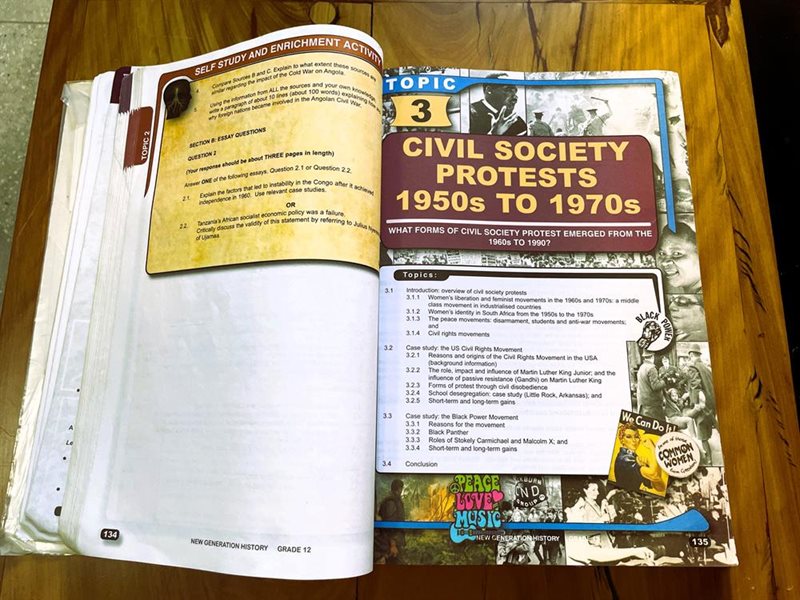
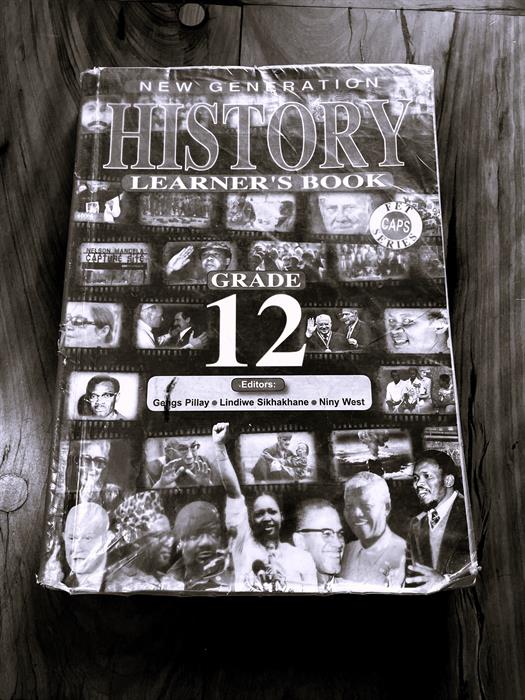 How much will the content in the current textbooks be changed?
Criticism
Despite broad support for transformation, the draft has drawn criticism. In an online article by Prega Govender of News24, a professor of education at Stellenbosch University, Jonathan Jansen, has described the proposals as "anti-intellectual" and "soul-deadening", warning they could undermine education standards.
Through its spokesperson, Alana Bailey, the lobby group AfriForum has also raised its concerns about balance.
Bailey argued that while learners often have limited knowledge of South African history, the curriculum should prioritise local and national history before expanding to broader continental content.
She cautioned, however, that an overly broad or ideologically driven approach could confuse learners, stressing that history should remain grounded in objective, evidence-based study.
Bailey also warned that govern-ments may shape curricula according to their own narratives, and encouraged parents and learners to supplement school material with additional sources.
• Send your comment to [email protected]
AfriForum flags concerns on history subject changes
Lobby group AfriForum has raised concerns about the proposed new history curriculum, warning that its current focus could confuse learners and place insufficient emphasis on South Africa's own historical context.
Responding to George Herald's queries, AfriForum's head of cultural affairs, Alana Bailey, said many learners - and even adults - have a limited understanding of South African history, making it essential that school curricula prioritise local content.
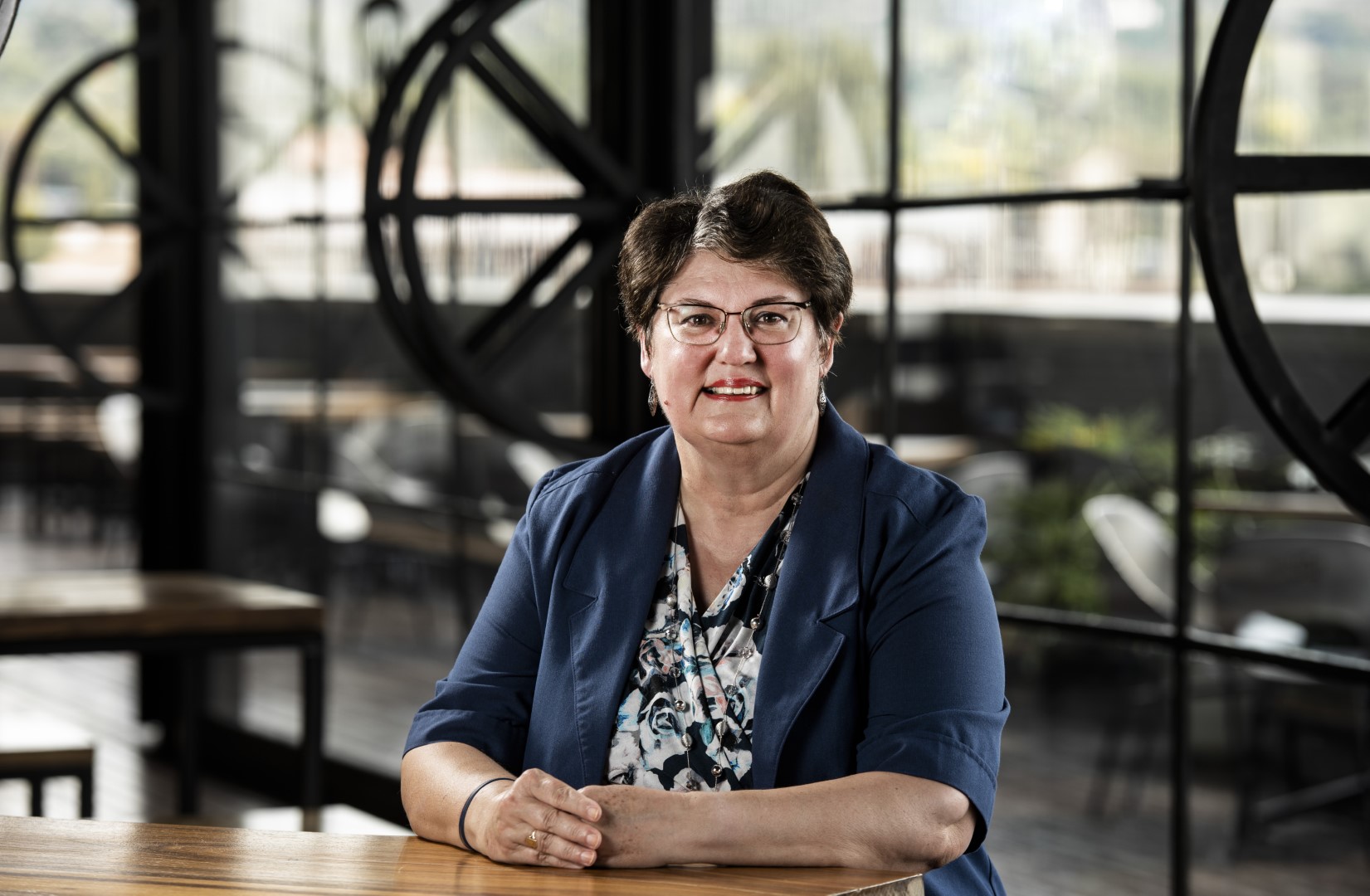 AfriForum's head of cultural affairs, Alana Bailey.
"It is essential that they should rather be taught South African history and more specifically the history of their community and the role their forbears played in it, first and foremost," she said.
Bailey added that while African history is important, the continent's diversity requires careful focus. "Africa is a vast continent with literally hundreds of languages, numerous cultures and religions. Focus is essential," she said. "At school level, children should get to know their country and the forces that shaped it."
She pointed to events such as the Second Boer War as having had a direct and lasting impact on South Africa, in contrast to broader continental topics such as the Kingdom of Mali, which, while interesting, may be less immediately relevant to learners' understanding of their own society.
Asked how the proposed shift in focus might affect learners' understanding of global versus local history, Bailey warned that it could have unintended consequences. "It has the potential to confuse, rather than to educate and stimulate their interest."
She also raised concerns about what she described as sweeping claims in the draft curriculum, including suggestions that much of previously taught history had been recorded by white men.
"History is a science, and studies have to have a scientific basis," said Bailey, arguing that existing sources should be critically assessed rather than dismissed.
On whether the proposed curriculum strikes the right balance, Bailey said it is inevitable that governments shape historical narratives. "It is unfortunately true that the government of the day will always colour the history that will be taught with its own narrative and ideology," she said.
She encouraged learners and parents to supplement the curriculum with additional sources to ensure a broader and more objective understanding of history.
‘We bring you the latest Garden Route, Hessequa, Karoo news’