

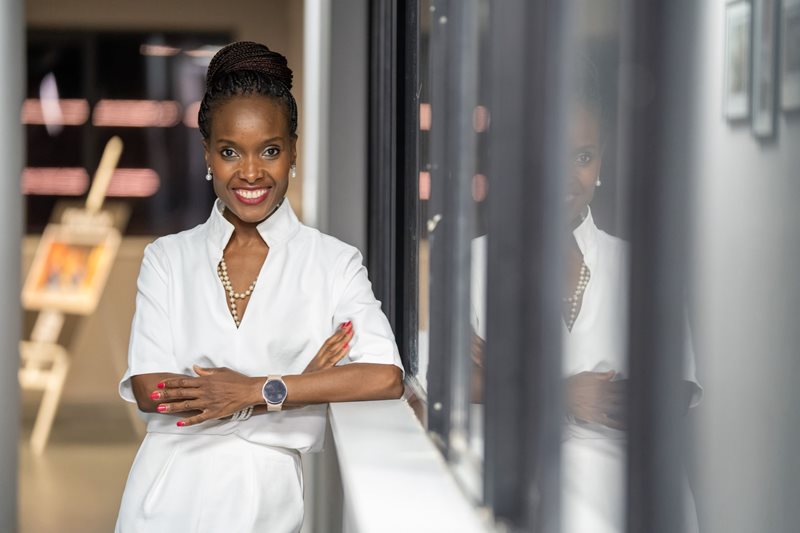
BUSINESS NEWS - Financial success has traditionally been measured by career milestones, income growth and personal asset accumulation. But for many South African women, the real measure of financial success is also found in what their income makes possible for the people around them.
Beyond managing their own expenses, many professional women, entrepreneurs and breadwinners have become financial anchors within their families – paying school fees, assisting ageing parents, supporting siblings and stepping in when unexpected costs arise.
Their income does more than fund a lifestyle. It creates stability, opportunity and, in many cases, a financial safety net for others.
So, what happens when the woman everyone relies on is no longer able to earn?
Having financial cover does not always mean having enough
Having financial cover and having adequate cover for the level of responsibility carried are two very different things.
Women represent nearly half of insured lives, according to standard industry indicators. Research from the Bureau of Market Research (BMR) and Momentum reveals that 79.3% of women identify as the primary decision-makers and heads of their households, while 73.3% manage their household finances independently.
This paints a picture of women who are increasingly taking control of their financial lives. However, financial independence does not necessarily mean financial protection is keeping pace with their responsibilities.
The data shows that when financial strain occurs, women demonstrate exceptional resilience. Under budget pressure, 43.5% prioritise retaining their family’s protection and funeral cover above all other expenses.
But there is an important distinction between prioritising protection and knowing whether that protection is actually enough.
As women progress through life, their financial responsibilities can grow alongside their income. A promotion can mean greater financial capacity. Having children can mean more people depending on that income. Supporting ageing parents or becoming a breadwinner can expand that responsibility even further.
Earning more does not automatically mean being adequately protected. Sometimes, it simply means there is more to protect.
What is your protection number?
To bridge this gap, financial planning needs to move beyond standard formulas based solely on individual earnings.
Women need to understand their protection number – the amount of financial cover required to ensure that everyone who depends on their income remains protected if that income suddenly stops.
Calculating your protection number means asking some important questions:
- Who relies on your monthly income? This could include immediate household members, parents and extended family.
- How long could those dependants maintain their current stability without your salary?
- Has your financial protection kept pace with your career growth and expanding caregiving responsibilities?
High-earning or career-focused women are not automatically fully protected.
In fact, as income grows, extended family responsibilities can often increase alongside it, making regular reviews of total financial liabilities essential.
From self-reliance to strategic financial protection
Understanding your protection number is not about taking on more financial strain. It is about ensuring that the care and support you provide today can be safeguarded for tomorrow.
Partnering with a professional financial adviser can provide a more holistic view of financial health.
Structured financial advice can help align life insurance, income protection and critical illness cover with real-world commitments, ensuring that as life changes through marriage, having children, business growth or supporting ageing relatives, your financial protection grows with you.
The woman protecting everyone else deserves protection too
This Women’s Month, as Momentum marks the eighth season of She Owns Her Success, it celebrates the strength, leadership and generosity of women who anchor their families and communities.
It is also an opportunity to turn the focus back to their long-term financial security.
Understanding who relies on your income is the first step towards protecting it – because the woman protecting everyone else deserves complete financial protection, too.
‘We bring you the latest Garden Route, Hessequa, Karoo news’