

NATIONAL NEWS - South Africa has reached a critical juncture in how it manages waste, with mounting pressure on landfills and tightening policy frameworks driving an urgent shift towards a circular economy.
The Institute of Waste Management of Southern Africa has warned that the circular economy is no longer a long-term aspiration but an immediate necessity requiring coordinated action from government, industry and the public.
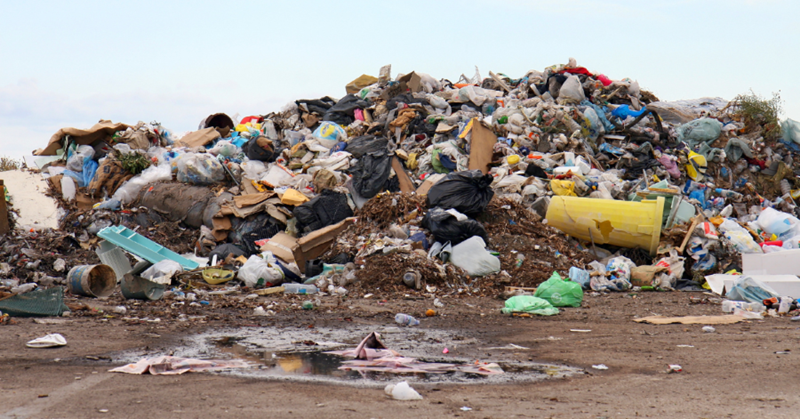
More than 60% of the country’s waste continues to be disposed of in landfills - a figure described as unsustainable by Deputy Minister of Forestry, Fisheries and the Environment, Bernice Swarts.
This comes as landfill sites in major metros such as Cape Town, eThekwini and Ekurhuleni approach capacity, driving up operational costs.
The scale of the challenge is significant. South Africa generates an estimated 12.7 million tonnes of household waste annually, with nearly 29% of this waste not formally collected or treated.
Policy gaining momentum
Government has begun to respond to the growing crisis. The draft National Waste Management Strategy 2026 (NWMS 2026), published in December 2025, sets out a roadmap for waste reduction and resource recovery over the next five years.
The strategy includes targets to divert 40% of waste away from landfill, marking a shift towards circular economy principles. It focuses on waste minimisation, improved service delivery, capacity building, and stronger compliance and enforcement.
However, sector leaders caution that policy alone will not be enough.
IWMSA president Patricia Schröder says South Africa’s challenge lies in implementation. While the legislative framework is considered robust, translating policy into measurable outcomes remains a key obstacle as the country moves towards its 2030 development targets.
Waste as economic driver
The circular economy presents significant economic potential by repositioning waste as a resource rather than a liability.
South Africa’s waste value chain generated an estimated R36.4 billion in revenue in 2023. The sector supports more than 30,000 formal jobs, alongside an estimated 90,000 informal roles.
Informal waste pickers play a particularly critical role, processing more than 80% of recyclable materials in the country. Despite this contribution, many remain outside formal systems and lack adequate support and recognition.
Shared responsibility
Extended Producer Responsibility (EPR) regulations are increasingly placing accountability on businesses to manage post-consumer waste. Producers and importers are required to work through registered Producer Responsibility Organisations to ensure materials are recovered and reused.
The NWMS 2026 reinforces this approach, signalling that companies across the value chain will need to prioritise reducing, reusing and recycling materials.
Deputy Minister Swarts has called for expanded infrastructure, including buy-back centres and material recovery facilities, as well as investment in recycling technologies and better integration of informal waste pickers into the formal economy.
Call for collective action
As the IWMSA marks its 50th anniversary in 2026, it is intensifying its call for coordinated action across sectors.
The organisation says the circular economy offers a practical pathway to address South Africa’s waste challenges while unlocking economic opportunities and environmental benefits.
Industry platforms such as WasteCon 2026 and the Botswana Circular Economy Hotspot 2026 are expected to play a key role in advancing collaboration and accelerating progress.
The message from the sector is clear: South Africa can no longer afford to treat the circular economy as optional.
‘We bring you the latest Garden Route, Hessequa, Karoo news’