


GEORGE NEWS - As South Africa marks Child Protection Month in June, attention is focused on the rights, safety and well-being of the country’s most vulnerable citizens.
Yet in George, concerns are growing about a different kind of vulnerability - children who are quietly disappearing from the education system.
Jonathan Gelderbloem, director of Kidstop in George, says one of the biggest challenges facing the community is the growing number of children who attend school - both primary and secondary - only sporadically before eventually dropping out altogether.
“Our biggest concern is not necessarily the children who are visible in town. We generally know who they are and where they live. Social workers keep an eye on them and we know them by name,” said Gelderbloem. “What worries us more is the increasing number of children who remain in their own neighbourhoods while other children are at school.”
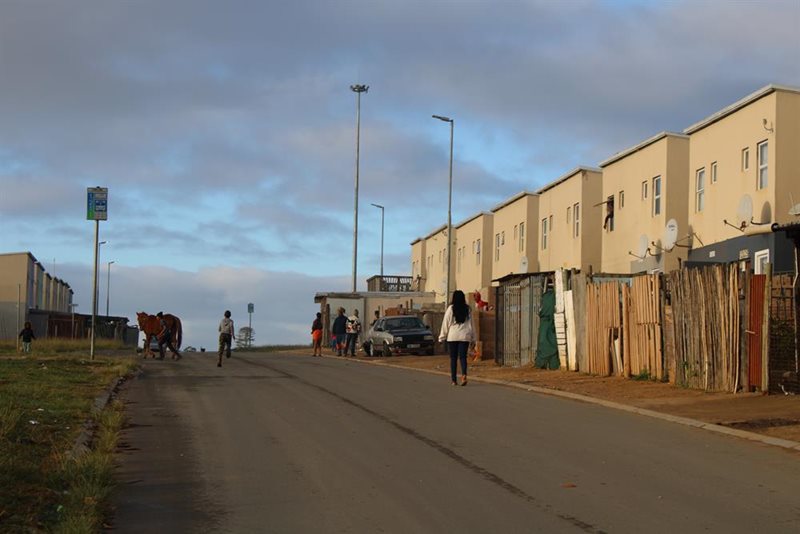
According to him, the trend is particularly noticeable in newer residential developments where families move into government-subsidised housing. “We see it in areas such as Metro Grounds and Reiger Park - places where new houses are being built and families relocate from other parts of town,” he said.
Travelling by foot
Initially, many of these children continue attending their former schools, often travelling long distances on foot. A child living in Reiger Park, for example, may still walk to a school in Conville or Parkdene, sometimes alongside the busy N2 highway.
“It is a long distance and, in many cases, unsafe. Parents leave for work early or simply do not have transport. Meanwhile, schools closer to their new homes are already full and unable to accommodate the additional learners,” Gelderbloem explained.
As attendance becomes increasingly irregular, many children eventually fall out of the system entirely.
Gelderbloem believes a major contributing factor is that some parents fail to prioritise education and often delay enrolling their children in a new school after relocating.
Media queries about the issue were sent to both the Western Cape Education Department (WCED) and the Department of Social Development. The WCED referred George Herald to the Department of Social Development.
The Western Cape Minister of Social Development, Jaco Londt, has requested his department to meet with the roleplayers to help identify the children at risk and to start the process of supporting them.
“Having eyes and ears within communities that flag risks earlier is so important,” he said. “Collaboration with other departments, NGOs and the communities will follow, including parents and caregivers, to ensure the earliest possible identification of children at risk, and interventions.”
He said generally, when it comes to child protection, the department works closely with other government departments, law enforcement agencies and non-profit organisations to address child protection concerns.
“When any child is endangered or neglected, the usual child protection processes follow. Psychosocial interventions for the child and/or family are determined by the outcome of an assessment by a social worker,” Londt said.
He stressed the importance of early intervention when children begin showing signs of behavioural or social challenges. “It is important that residents reach out for assistance as early as possible.”
‘We bring you the latest Garden Route, Hessequa, Karoo news’