


LIFESTYLE NEWS - As the impact of Artificial Intelligence (AI) on the workplace becomes increasingly evident, many are beginning to reassess their career paths in a rapidly evolving job market.
For some, the prospect is exciting, offering opportunities to enhance productivity and innovation. For others, it raises concerns about job security and the risk of redundancy.
However, certain professions remain largely insulated from automation.
Trades that rely on hands-on skill, including chefs, artisanal bakers, carpenters, plumbers, and fitters and turners, continue to depend on human expertise. These artisans apply traditional techniques and craftsmanship to produce goods that cannot easily be replicated by machines.
Even prior to the rise of AI, South African consumers had begun shifting towards artisanal products, driven by growing dissatisfaction with the quality of mass-produced goods.
Increasingly, there is a preference for locally made, small-batch items that offer superior quality and authenticity.
This renewed appreciation has also highlighted a shortage of skilled artisans. Once-common trades, such as stonemasonry, have become increasingly rare, underscoring the need to preserve and develop these specialised skills.
Alongside this trend, there has been a marked shift towards bespoke products and services. Consumers are showing a willingness to pay a premium for quality, craftsmanship and exclusivity, particularly where supply is limited or production is small-scale.
The return of craftsmanship
In the culinary sector, scrutiny around food safety and ingredient quality has intensified, with major South African producers facing growing consumer awareness and questioning.In contrast, chefs and bakers are recognised as artisans who blend technical precision with creativity, using high-quality, often organic, seasonal and locally sourced ingredients.
Artisanal bakeries, in particular, are gaining traction, offering small-batch baked goods complemented by freshly ground and brewed coffee.
This segment has the potential to support an extensive local supply chain, reinforcing initiatives such as “Proudly South African” and “Local is Lekker”.
A notable contributor to South Africa’s evolving culinary landscape is KwaZulu-Natal, where a rich fusion of Zulu, Indian and European influences shapes a diverse food culture. Establishments such as Kayla Anne’s and Italian Club at Umdoni Point Sports and Leisure are gaining recognition for their emphasis on fresh, high-quality ingredients.
Located in Pennington, just off the R102, the two venues cater to different dining preferences, with Kayla Anne’s offering a more refined experience and the Italian Club providing a relaxed, informal setting.
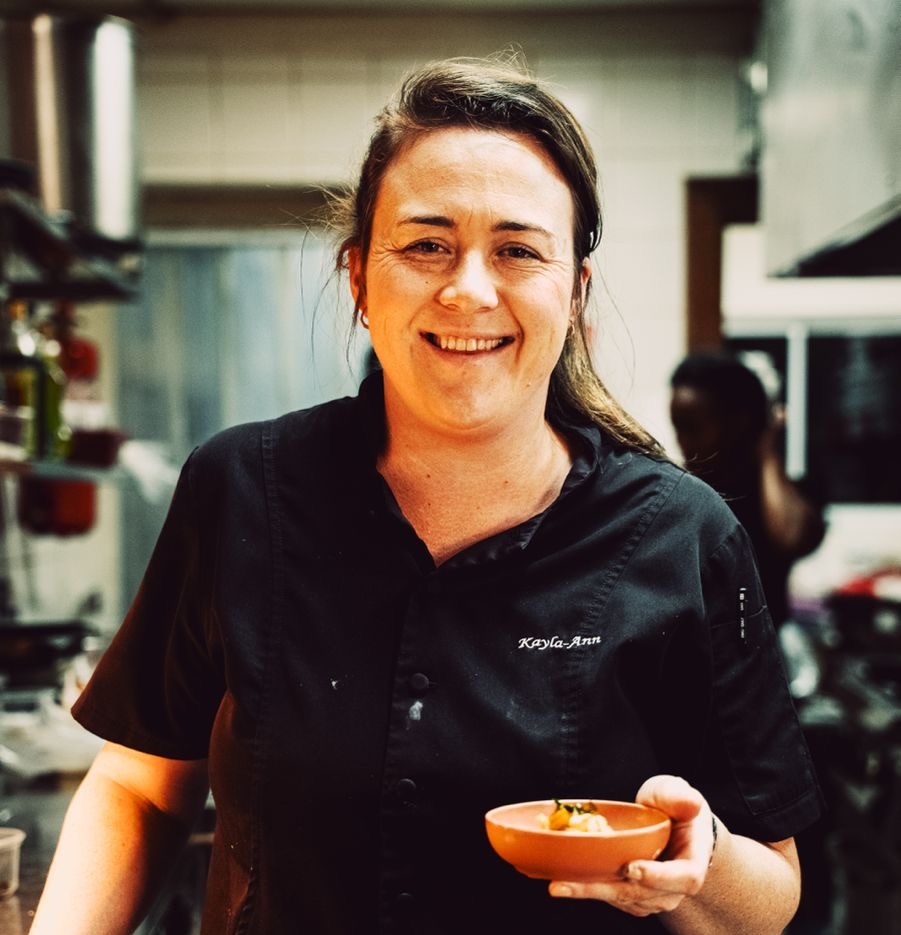
At the helm is Kayla Osborn, whose influence extends beyond the kitchen. As founder of the Kayla Osborn Culinary School, she is playing a key role in developing the next generation of culinary artisans.
The school is accredited by the Quality Council for Trades and Occupations (QCTO), ensuring that its programmes meet rigorous national standards. Students benefit from in-service training, mentorship and practical experience under award-winning chefs, equipping them with both technical expertise and real-world skills.
Training offerings range from fine dining to specialised artisanal disciplines such as cheese-making, chocolatiering, baking, and beverage studies, alongside commercial food production. The curriculum is further strengthened by business training, preparing graduates to operate successfully within the industry.
Courses at the institution vary in duration from one week to three years and include accredited occupational certificates across multiple levels, from food handling to professional chef qualifications.
According to Osborn, “Culinary artisan skills are particularly resilient in an AI-driven economy because they are human-centred and require intuition combined with physical, sensory and creative skills. Our students will stand out owing to their understanding of personalised, quality-driven food preparation, paired with practical, on-site experience.”
As AI continues to reshape the global employment landscape, accredited culinary training offers a viable and forward-looking career path for aspiring chefs, bakers and artisanal food producers.
 Kayla-Ann
‘We bring you the latest Garden Route, Hessequa, Karoo news’