

ENVIRONMENT NEWS - The Garden Route Dam Action Group (Gardag) has aired its concern over recent water quality monitoring across George that has revealed a mixed report card for the region’s rivers.
Test results highlighted both strong natural water quality at source and growing pressure downstream from urban and wastewater-related impacts.
According to Gardag, water quality monitoring conducted during 2025 and 2026 shows that rivers originating in the Outeniqua Mountains remain in a largely pristine condition at their source. Monitoring points at Malgas, Camphersdrift and Pepsi Pools recorded low levels of pollution and generally natural water quality conditions.
"These findings underline the importance of the mountain catchments as a critical foundation of George’s water security, with upstream systems continuing to deliver high-quality water into downstream river networks," says Gardag.
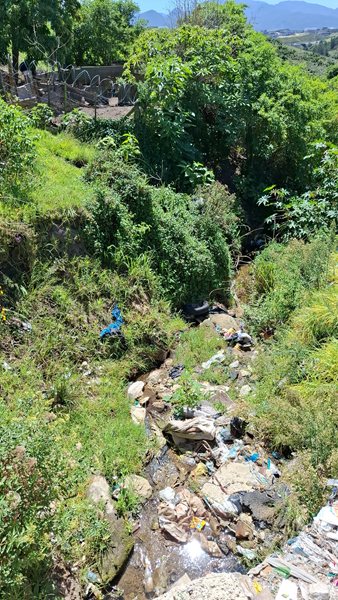
The situation changes as rivers move through built-up areas. The Upper Kat River already shows early signs of deterioration before entering the eastern suburbs, while downstream sections of the Kat River show contamination typically associated with sewage inputs. Elevated levels of E. coli, nitrates and other indicators suggest that ageing infrastructure, leaks or overflow events may be contributing to water quality decline.
Further concerns were recorded in other systems. The Gwaing River below the wastewater treatment works showed significantly higher contamination levels than upstream sites, while the Meulen River recorded the poorest overall water quality among monitored rivers.
In the Meulen River, E. coli counts exceeded 1.8 million organisms per 100ml, alongside elevated nutrient levels that pose risks to aquatic ecosystems.
Future improvement
Despite the concerning downstream results, monitoring data has remained relatively consistent between seasons. This consistency provides a valuable baseline for tracking future improvements and assessing the impact of interventions over time.
George Municipality acknowledged the concerns raised regarding water quality in the lower Kat, Meulen and sections of the Gwaing rivers, as well as the importance of environmental monitoring and wastewater infrastructure in protecting river health. The municipality said it remains committed to a proactive and integrated approach to addressing these challenges.
An important municipal initiative under way is the development of River Management Plans for the Meulen, Schaapkop and Gwaing rivers. These rivers were prioritised due to the extent of municipal infrastructure in their catchments and the need to establish baseline conditions, monitor impacts, and identify interventions to improve ecological condition. The plans are currently awaiting approval from relevant authorities, after which implementation will be phased in over the coming financial years.
A river management lan for the Kat River is also scheduled for development in the coming months. This will establish baseline conditions, identify pressures affecting the system, and prioritise infrastructure requiring maintenance, rehabilitation or replacement.
The municipality confirmed it is working closely with the Breede-Olifants Catchment Management Agency on catchment management and water quality matters. In addition, water quality monitoring is conducted at municipal wastewater treatment works in line with discharge permit requirements and regulatory standards.
Infrastructure upgrades and operational interventions
The Civil Engineering Services Directorate has implemented a range of capital and operational programmes aimed at improving sewer network reliability and reducing environmental risk.
Capital investment includes upgrades to wastewater pump stations guided by a Pump Station Audit Programme, as well as replacement of ageing sewer pipelines in line with a Sewer Pipe Replacement Prioritisation Plan. These upgrades focus on increasing capacity, improving operational reliability and strengthening resilience during emergencies and power interruptions.
At pump stations, measures include mechanical upgrades, installation of screening and grit-removal systems, increased emergency storage capacity and backup power at critical facilities.
Operationally, the municipality has expanded preventative maintenance efforts, including routine sewer cleaning, additional blockage-clearing teams, specialised equipment, and after-hours standby services to improve response times to incidents.
Further measures include the procurement of a trenchless pipe rehabilitation programme aimed at addressing ageing sewer infrastructure and reducing the risk of leaks and stormwater ingress into the sewer system.
Technology-based monitoring systems have also been installed at strategic points in the network to provide early warning of blockages and surcharge conditions, enabling faster intervention and reducing overflow risks.
Upgrades in the Schaapkop catchment are already reported to be contributing to a reduction in pollution incidents.
Public behaviour and continued monitoring
The municipality also said the importance of public cooperation in protecting sewer and river systems. It urged residents not to dispose of litter or inappropriate materials into the sewer network, as these can contribute to blockages, equipment failures and environmental pollution.
Ongoing river monitoring remains critical, as it helps guide planning, prioritise interventions and measure progress over time.
‘We bring you the latest Garden Route, Hessequa, Karoo news’