

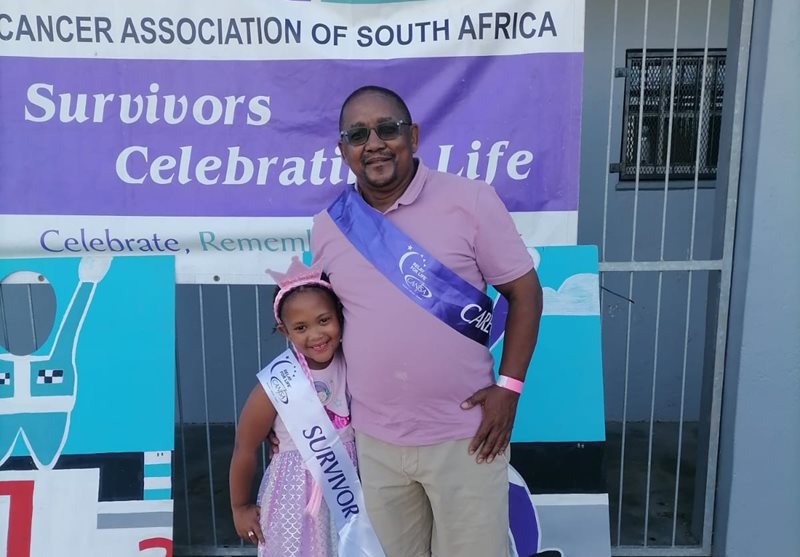
LIFESTYLE NEWS - For many families, a childhood cancer diagnosis begins with symptoms that seem unrelated to cancer.
Persistent pain, vomiting, headaches, fatigue, swelling or an unexplained illness can initially look like an ordinary childhood complaint.
But when symptoms persist, worsen or are accompanied by other unusual changes, parents and caregivers may need to seek further medical advice.
During Childhood Cancer Awareness Month, Red Cross War Memorial Children's Hospital, Tygerberg Hospital and Groote Schuur Hospital are highlighting the warning signs of childhood cancer, while sharing the stories of young patients who have faced the disease.
From a dental problem to a cancer diagnosis
For seven-year-old Amri Abrahams, the journey began after a routine dental procedure.
Following a tooth extraction, Amri developed severe swelling in his gums. As the swelling worsened and he began experiencing blurred vision, his family sought medical help from several healthcare facilities.
They were initially told the swelling could be caused by cysts, while later scans suggested a blood clot.
Further investigations at Red Cross War Memorial Children's Hospital revealed that the mass was actually a tumour. A biopsy confirmed Stage 4 Burkitt B-cell lymphoma.
For Amri's parents, the diagnosis was devastating.
“As parents, our hearts felt so heavy because we couldn't do anything to make things better,” they said. “The trauma Amri had to experience was so much, and not knowing what was coming next made it even harder.”
Despite the challenges of treatment and its side effects, Amri's determination has inspired those around him.
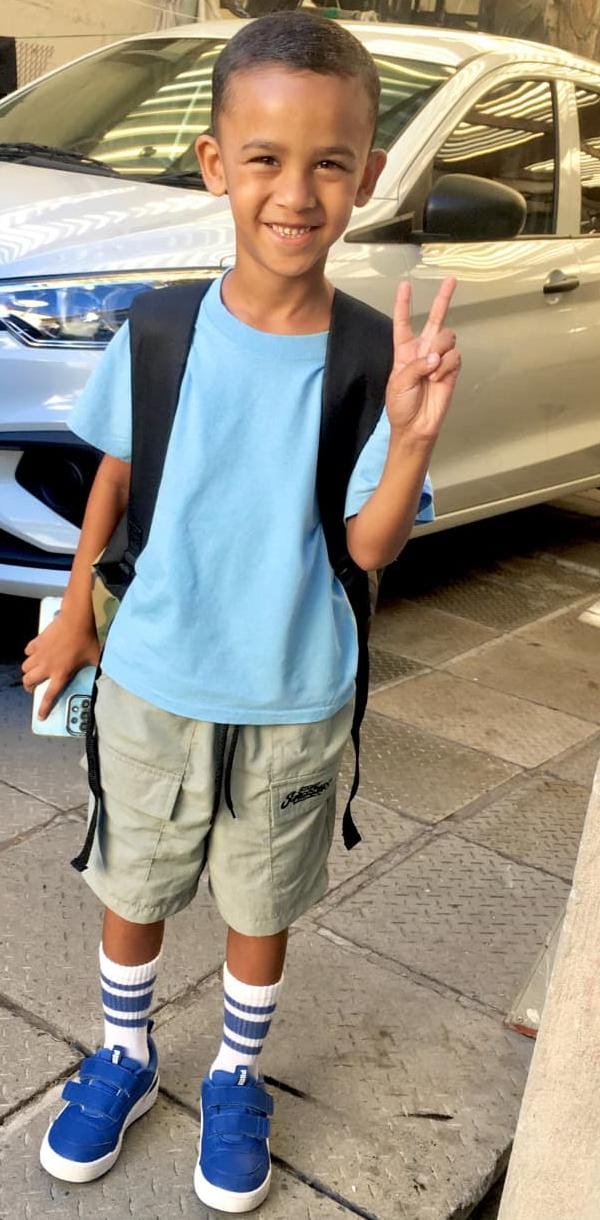 Amri Abrahams
Just one week after starting treatment, he regained sight in his left eye.
“Daddy, one is better than none,” he told his father, Yusuf Abrahams.
Today, Amri continues his treatment surrounded by his family, healthcare team and a growing community of supporters.
Knowing the warning signs
Childhood cancer is relatively uncommon, but early diagnosis can make a significant difference to treatment outcomes.
“Childhood cancer is relatively rare, but it is often curable if diagnosed early,” says Estella van Vuuren, a Professional Nurse in the Paediatric Oncology Unit at Red Cross War Memorial Children's Hospital.
“Awareness helps parents and caregivers seek medical help sooner, which directly improves a child's chance of successful treatment.”
Healthcare professionals encourage parents and caregivers to be aware of the Saint Siluan Early Warning Signs (SEEK). These include:
- Changes in the eyes, such as a white spot, a new squint, sudden blindness or a bulging eye.
- Unexplained lumps or swelling.
- Persistent fever, weight loss, unusual fatigue or easy bruising.
- Bone, joint or back pain.
- Neurological symptoms, including persistent headaches, vomiting, difficulty walking or changes in balance.
Many of these symptoms are associated with much more common childhood illnesses and do not necessarily mean that a child has cancer.
The important consideration is whether a symptom is persistent, unusual, worsening or occurring alongside other concerning changes.
“Parents know their children best,” says Van Vuuren. “If a child just doesn't look well or something feels different, trust that instinct and keep seeking help until you have answers.”
When leg pain was more than growing pains
Ten-year-old Juné Waterboer from Ceres first noticed that her legs were buckling after playing netball in 2023.
Over time, the symptoms became more severe. She developed significant leg pain, fever, abdominal swelling and bleeding from her mouth and nose.
After being investigated at Ceres Hospital, Juné was urgently referred to Tygerberg Hospital, where a bone marrow examination confirmed acute lymphoblastic leukaemia (ALL).
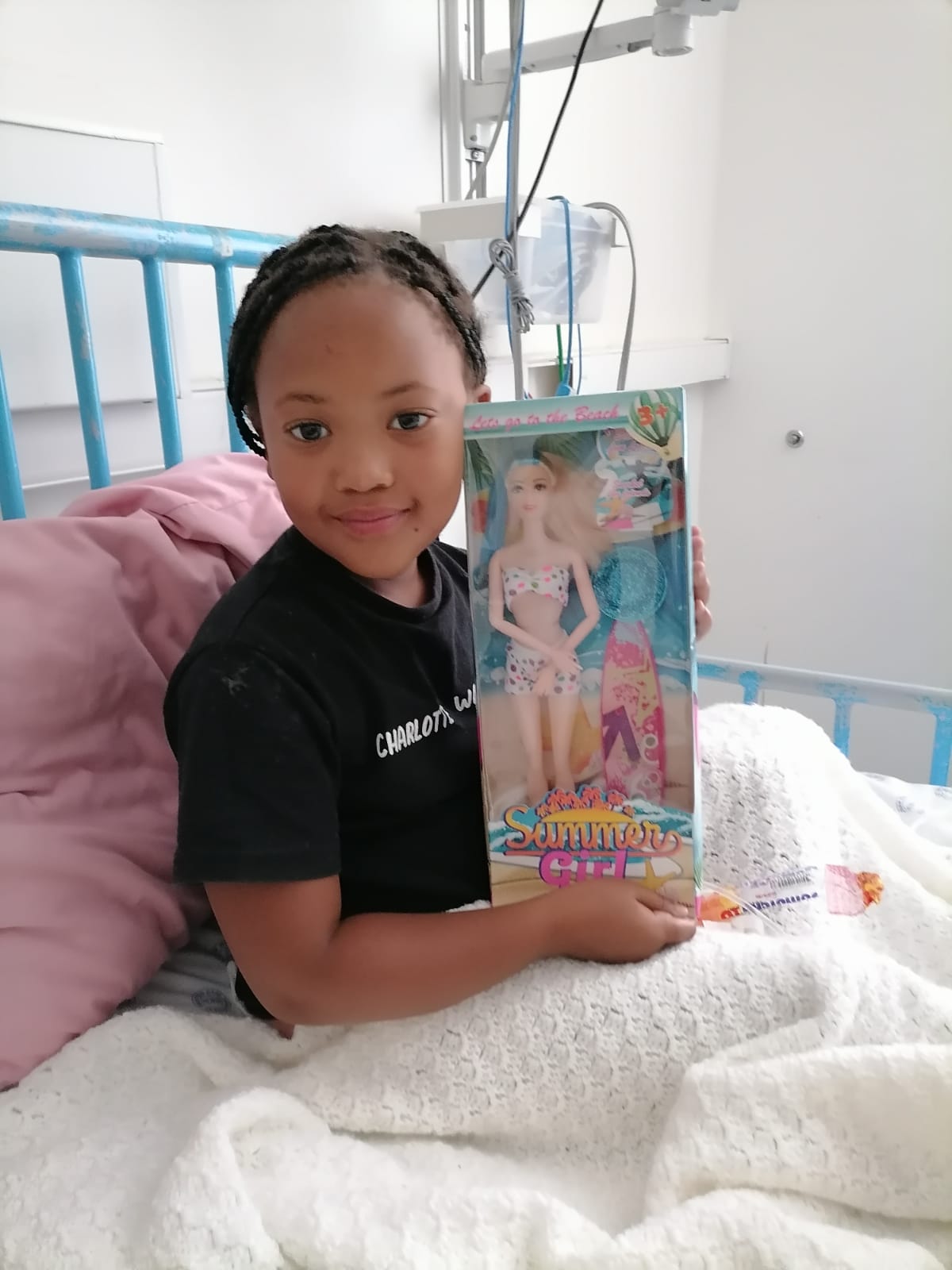 Juné Waterboer in hospital.
Chemotherapy began immediately.
According to Prof Anel van Zyl, Clinical Head of Paediatric Oncology at Tygerberg Hospital, Juné experienced several symptoms associated with childhood cancer, including weight loss, fatigue, pallor, enlarged lymph nodes and enlargement of the liver and spleen.
Juné responded well to treatment and achieved remission.
In April 2026, she celebrated completing chemotherapy by ringing the treatment completion bell surrounded by family and friends. She has since returned to school and is enjoying life as a Grade 3 learner.
Her mother, Heidi, remains grateful for the support provided by the healthcare team.
“All the staff supported us and helped us throughout the journey. They really looked after us.”
Persistent headaches can also need attention
For Cara Lee Fortuin, the symptoms were persistent headaches and other unexplained changes.
At just 11 years old, Cara was eventually diagnosed with a rare brain tumour called a pleomorphic xanthoastrocytoma, which affects the central nervous system.
Despite repeated visits to healthcare providers, the cause of her symptoms remained undetected for several months.
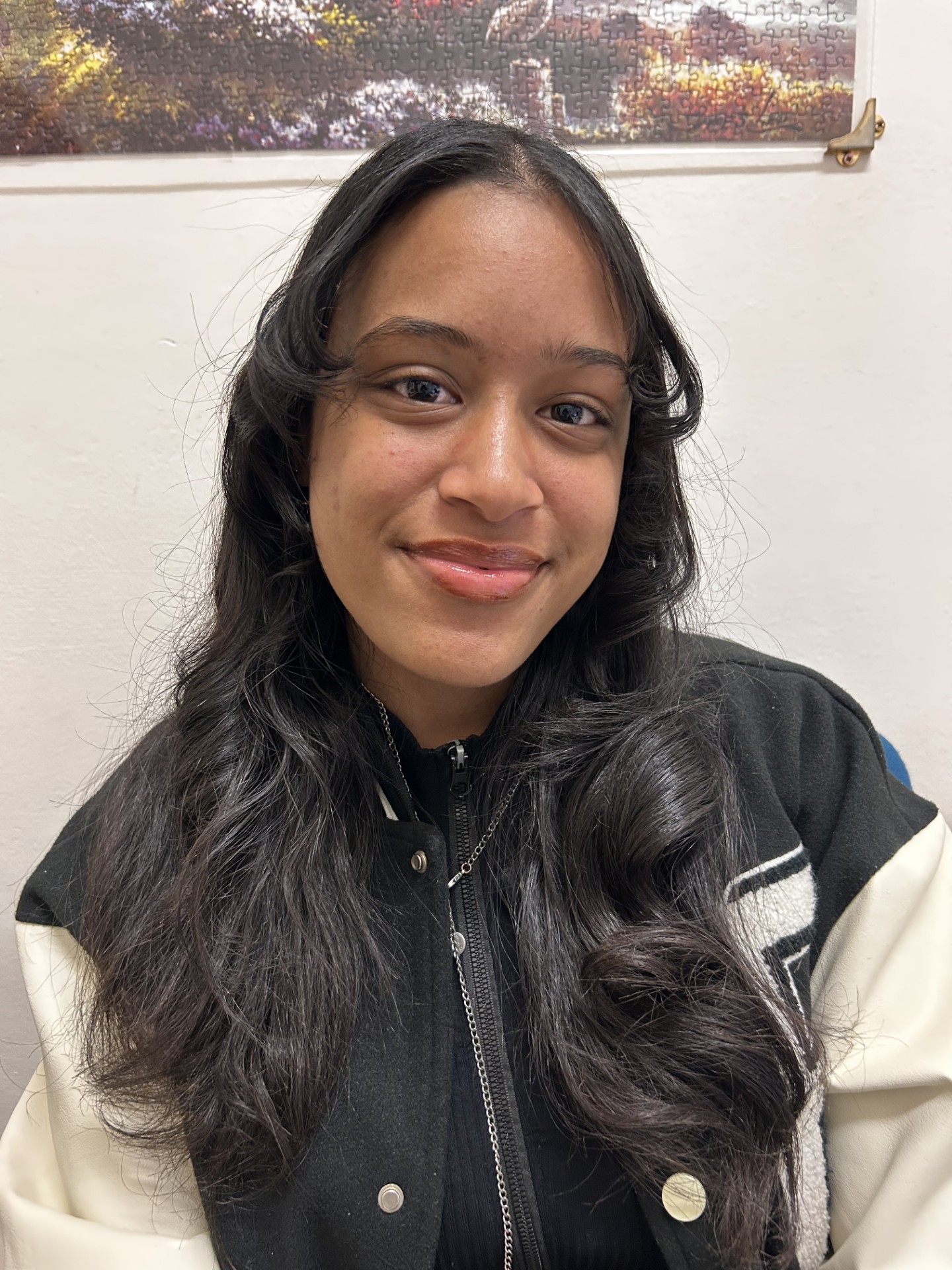 Cara Lee Fortuin
In July 2019, Cara's condition suddenly deteriorated and she was urgently referred to Red Cross War Memorial Children's Hospital.
Scans revealed a large brain tumour, and surgeons performed a complex operation lasting nine hours and 45 minutes.
Cara subsequently spent a month in intensive care before undergoing six weeks of radiation therapy.
Now 18, she is a cancer survivor.
“Don't give up,” she says. “It's a hard battle to fight, but there is light at the end of the tunnel.”
Her mother, Grizelle Fortuin, encourages other parents to trust their instincts and seek further medical advice if concerns persist.
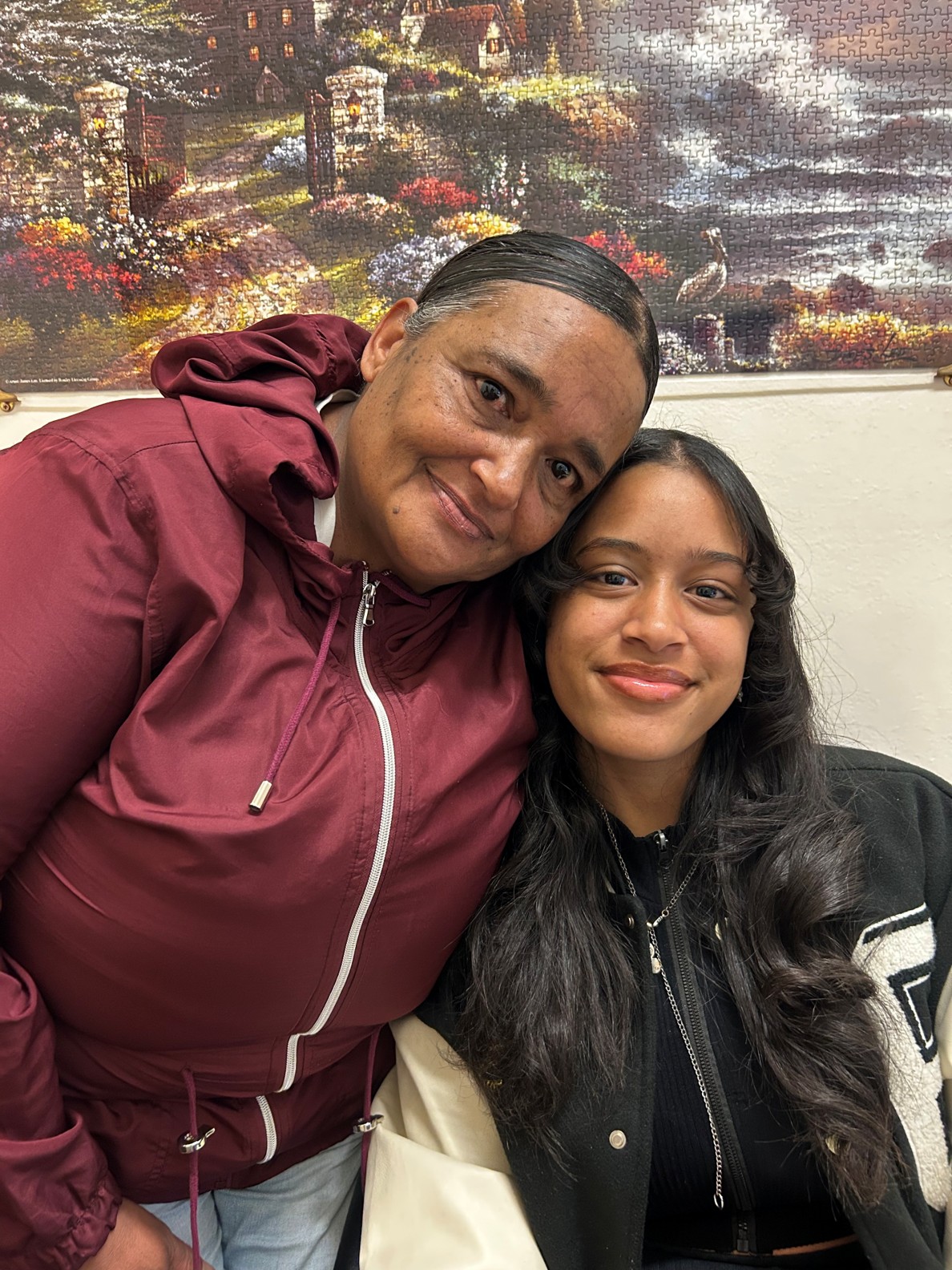 Cara Lee Fortuin and Mother Grizelda Fortuin.
Treatment is about more than the disease
For healthcare professionals working in paediatric oncology, helping a child through cancer involves much more than treating the disease itself.
“As clinicians, our goal is not simply to help children survive cancer,” says Dr Thurandrie Naiker, Specialist Clinical Oncologist at Groote Schuur Hospital. “It is to help them survive well, preserving their development, education, relationships, independence and quality of life wherever possible.”
Dr Naiker encourages families to seek medical attention when children experience persistent or unusual symptoms, including unexplained fever, unusual bruising, persistent headaches, vision changes, ongoing fatigue, bone pain or unexplained weight loss.
“These symptoms are usually caused by conditions other than cancer, but if something is persistent, unusual, or worsening, it should be assessed,” she says.
Every child deserves a future
A childhood cancer diagnosis affects an entire family.
Long hospital stays, invasive procedures, emotional strain, financial pressure and uncertainty can place enormous demands on parents, siblings and caregivers.
Yet the experiences of Amri, Juné and Cara also demonstrate the importance of early recognition, specialised treatment, family support and the resilience of young patients.
This Childhood Cancer Awareness Month, parents and caregivers are encouraged to familiarise themselves with the warning signs, trust their knowledge of their children and seek medical advice when something doesn't seem right.
Most childhood symptoms will not be caused by cancer. But when something is persistent, unusual or getting worse, it is worth getting it checked.
Every child deserves the opportunity to grow, thrive and pursue their dreams.
‘We bring you the latest Garden Route, Hessequa, Karoo news’